
Yeast infections are one of the most commonly occurring conditions in women. It is found that 75% of women experience a yeast infection at least once in their lifetime. The vagina has a healthy balance of yeast and bacteria. The bacteria known as Lactobacilli grows with the help of the hormone called Estrogen. This bacterium keeps the vagina clean of harmful organisms. But, when this balance is tempered by any given reason, a fungus called Candida then may grow without any control and give birth to a yeast infection.
There can be many reasons why women catch a yeast infection. Let’s look at some –
- Diabetes – Women with Diabetes are much likely to be catching a yeast infection easily because, when the mucus membrane in their vagina gets an increased amount of sugar in them, they create a place for the yeast to grow.
- Antibiotics – If you are on any sort of antibiotic, those drugs may kill off the good bacteria present in the vagina and lead to a yeast infection.
- Hormonal changes – When you take any sort of birth control pills, or are going through menopause, pregnancy or breastfeeding your newborn, the changes in your hormones can tamper with the balance in your vagina which then gives birth to a yeast infection.
- Sex – A yeast infection is not one of the sexually transmitted diseases but can still be passed from one person to another.
What are the symptoms of a Yeast Infection?
- Vaginal Itching – This is one of the most common symptoms of a yeast infection. When you feel a constant itching in your vagina that is hard to withstand and stays for more than a day, it may be because you have caught a yeast infection and should pay a visit to your gynecologist.
- Painful urination or sex – When you have a yeast infection, you are likely to be experiencing pain or discomfort during intercourse and urination. You might even feel it difficult to pass urine along with a burning sensation.
- Redness and Swelling in the vagina – You will observe an unusual redness and swelling in the vagina in cases of a yeast infection. If it persists, we recommend you visit a gynecologist and get it examined.
How can you treat it at home:
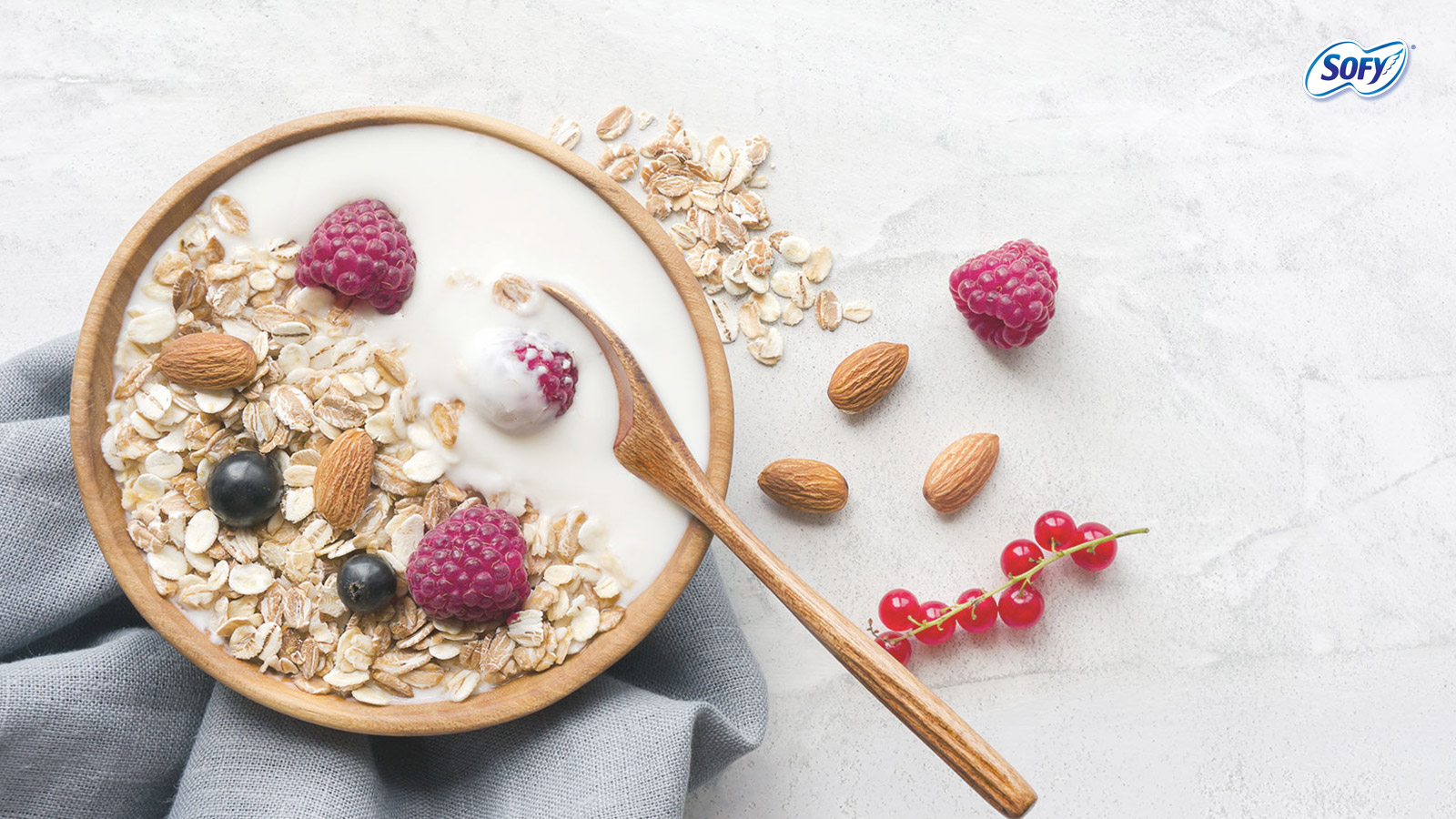
- Natural Yogurt – Non-flavoured, unsweetened and natural yogurt can do wonders to a yeast infection. You can eat it, apply to and around the vagina or insert it inside for some relief.
- Coconut Oil – Fresh and 100% organic coconut oil is recommended in this case. Coconut oil has antifungal properties and hence can ease any such discomfort. It can be applied both internally and externally.
If you do not feel any improvement in your condition after the home remedies, you should definitely give it medical attention at the earliest.
FAQ’s
2. Is antibiotic treatment a risk factor for a yeast infection?
Yes, using antibiotics is a recognized risk factor for vaginal yeast infections. Antibiotics can reduce the number of good bacteria (like Lactobacilli) in the vagina, which normally help control yeast growth. With fewer protective bacteria, Candida may overgrow and lead to infection.
3. Can hormonal changes lead to a yeast infection?
Absolutely. Hormonal changes—such as those during pregnancy, menopause, or when using hormonal birth-control pills—can disturb the delicate microbial balance in the vagina. This disruption increases the likelihood of Candida overgrowth, leading to a yeast infection.
4. Is a yeast infection sexually transmitted?
No, a yeast infection is not classified as a sexually transmitted disease (STD). However, sexual activity may contribute to the spread of the yeast between partners under certain conditions. Therefore, while it’s not inherently an STD, sexual contact can play a role.
5. What are common symptoms of a vaginal yeast infection?
Typical symptoms include persistent vaginal itching, a burning sensation during urination or intercourse, redness and swelling of the vaginal area, and sometimes discomfort when passing urine. These symptoms often indicate Candida overgrowth and merit a medical check if they persist.
6. How does diabetes contribute to yeast infections?
In women with diabetes, elevated blood sugar levels can lead to excess glucose in vaginal mucus. This provides a favorable environment for Candida growth and increases the risk of developing a yeast infection due to the imbalance in yeast and bacteria.
7. What home remedies can help with a yeast infection?
Some helpful home remedies include plain unsweetened yogurt (which can be eaten, applied topically, or used internally), and 100% organic coconut oil, noted for its antifungal properties. These may help, but improvement should prompt medical evaluation if not effective.
8. When should I see a doctor for a yeast infection?
You should consult a gynecologist if symptoms persist despite home remedies, worsen, or you experience recurrent infections. Also seek medical attention if you see unusual discharge, extreme pain, or suspect a different underlying condition.
9. How does maintaining vaginal bacterial balance protect against yeast infection?
Maintaining a healthy population of Lactobacilli bacteria—supported by normal estrogen levels—keeps harmful organisms like Candida in check. When the bacteria–yeast balance is disrupted (due to hormones, antibiotics, or diabetes), Candida may multiply and cause a yeast infection.
10. Can lifestyle changes reduce the risk of yeast infections?
Yes. Managing underlying conditions such as diabetes, avoiding unnecessary antibiotic use, opting for breathable underwear, and maintaining good hygiene help maintain microbial balance and reduce the chance of Candida overgrowth that causes yeast infections.