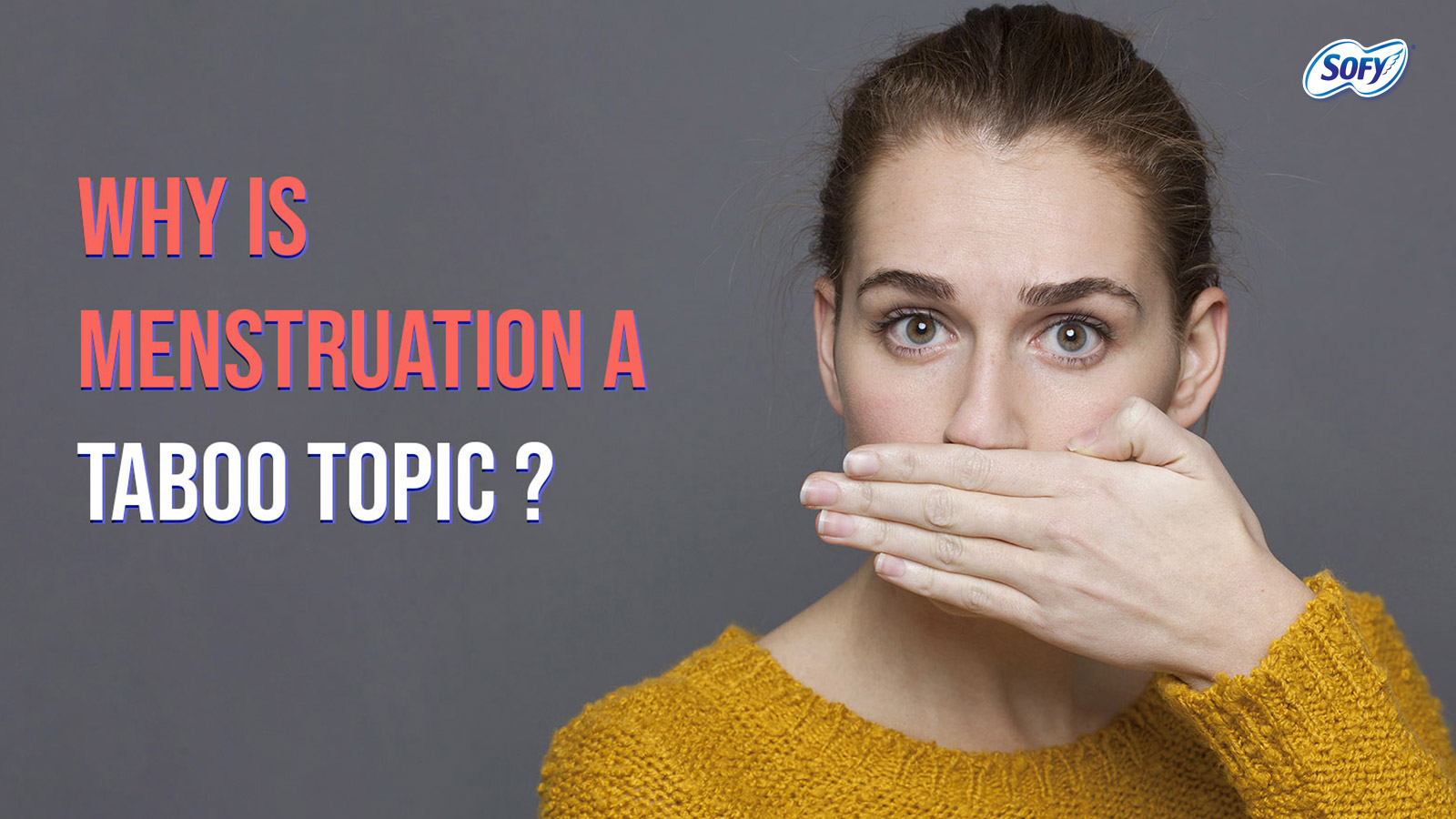

Menstruation is still a taboo in many parts of the world, not just India. A product of misogynistic and patriarchal structures, menstruation is a natural result of women’s childbearing abilities. So why has something so empowering been turned into a taboo? Let’s unpack this.
The Origins of Menstrual Taboos
For years, girls and women have been told that menstruation is something to hide and be ashamed of. Periods are often seen as dirty, impure, and untouchable. But who decided that?
Many superstitions today come from stories passed down through generations. For example:
- Washing hair during menstruation: In the past, water scarcity and the risk of catching a cold made this inconvenient.
- Sweeping the house at night: Before electricity, it was risky to sweep in the dark, as valuable items could be lost.
- Avoiding non-vegetarian food: Often linked to cultural or health reasoning at the time.
These rules and habits often had practical logic behind them, even if they became rigid taboos over time.
Menstruation in Indian Culture
In India, menstruation has been particularly taboo due to lack of education and blind adherence to stories and myths. For instance:
- Indra’s Sin: According to Hindu mythology, Indra killed a Brahmin, the greatest sin, and women were considered pious enough to absorb part of that sin. Menstruation in women was said to represent the release of that sin.
Despite taboos, many areas celebrate menstruation in cultural and religious contexts:
- In Punjab, Mother Earth was believed to ‘sleep’ for a week each month.
- In the Deccan region, goddess temples were closed from the tenth to the full moon day during her rest.
- In Malabar, Mother Earth was believed to rest during hot weather until the first shower of rain.
- Today, in the Kamakhya temple of Assam and parts of Orissa, the menstruation of the goddess is celebrated during the monsoon season.
Understanding the Logic Behind Taboos
It’s important to understand that many menstrual restrictions had reasoning behind them:
- Women experience physical weakness due to hormonal changes. Restricting temple visits or intense rituals was a way to give rest.
- Men are expected to perform demanding devotions, but women’s biological needs were considered in these rules.
These cultural practices evolved into taboos, often discouraging open discussion and education about menstruation.
Questioning Menstrual Taboos Today
Every story, belief, or ritual has a logic behind it, but blindly following them can perpetuate stigma. It is crucial to:
- Educate the next generation about menstruation with facts.
- Encourage critical thinking and questioning of traditional taboos.
- Trust your instincts and logic when it comes to your own body.
Understanding and discussing menstruation openly helps break taboos and fosters a more informed and empowered society.
FAQ’s
How did cultural beliefs contribute to menstrual taboos in India?
In India, myths such as the story of Indra’s sin linked menstruation to guilt and impurity.Women were often barred from the kitchen, temples, or handling food during their period. These practices, originally rooted in logistical or ritual logic, morphed into lasting taboos.
What practical reasons existed for period restrictions historically?
Some traditional restrictions—like avoiding hair-washing during a period—were based on practical conditions (e.g., limited water or risk of illness). Over time, these practical rules became rigid taboos that discouraged dialogue about menstruation.
How does the taboo impact menstrual health awareness?
When talking about periods is discouraged, accurate information doesn’t get shared. Many young people enter menstruation unprepared, with limited knowledge of hygiene or health implications. This lack of openness can lead to shame, delayed doctor visits, and poor self-care.
What social effects arise from treating menstruation as taboo?
Taboo status can lead to isolation, reduced self-esteem, and hidden shame. Women may avoid social or religious activities during their period, limiting their participation in everyday life.
Why is menstrual education critical for breaking the taboo?
Education helps replace myths with facts, enabling girls and women to manage their periods confidently and hygienically. It supports open conversation, encourages healthcare access, and helps dismantle the idea that menstruation must remain hidden.
How have myths about impurity affected women’s behaviour during their period?
Beliefs that menstruating women are impure have led to restrictions like not entering kitchens, temples, or sharing utensils. These restrictions reinforce shame and equate a natural process with guilt or pollution.
What role does language and media play in sustaining the taboo?
Menstruation is often discussed with euphemisms and avoided directly. The media uses discreet imagery (e.g., blue liquid instead of red) for pads, reinforcing that periods are hidden or embarrassing. This subtle censorship supports the taboo culture.
How does silence around menstruation affect young girls?
When menstruation isn’t spoken about openly, girls may enter puberty without preparation, creating fear or confusion.They might miss school, lack proper hygiene access, or face stigma before even understanding what’s happening.
What steps can help normalize menstruation and remove the taboo?
Key steps include educating both genders, creating safe spaces for discussion, providing accessible hygiene products, and challenging outdated beliefs.When menstruation is treated as a normal bodily process—not a secret—it fosters dignity, health, and empowerment.