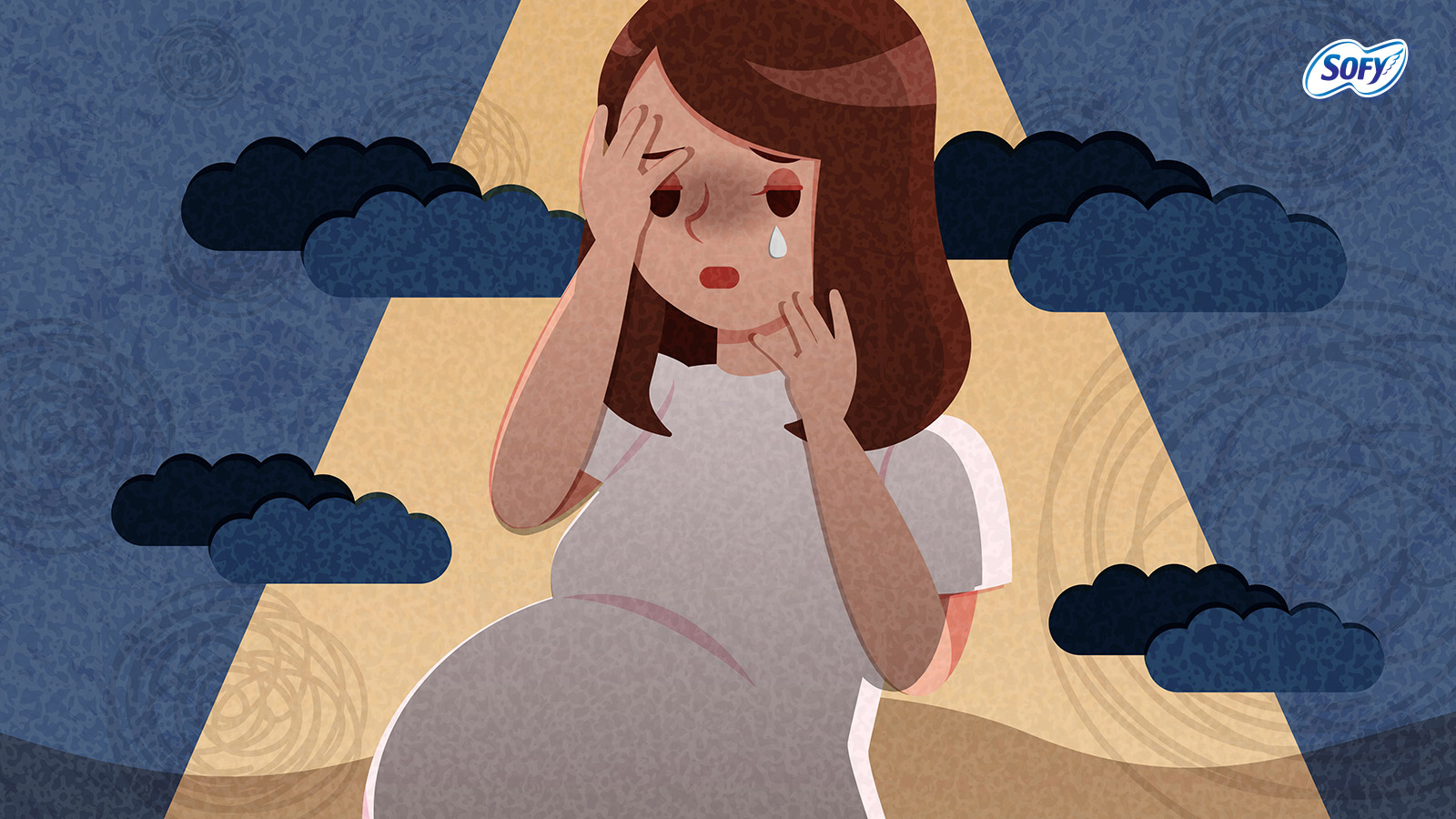

Periods after delivery change in females and the return of periods depends if the mothers are breastfeeding or not. For mothers who do not breastfeed post-delivery, the return time is expected to be six to eight months. If the child is only being breastfeed, then the mothers might not receive their periods until the feeding phase gets over. For the rest, the menses will return in a duration of few months.
Lactating mothers do not receive their period for a long time because the milk producing hormone prolactin controls the reproductive hormones. This stops the ovulation process and the chances of menstruation become less.
The first period after pregnancy will have symptoms which will be different from all the past cycles. Mothers will feel painful cramps, blood clotting, heavier flow, irregular cycles and irregular flow of the blood. The flow gets heavier after pregnancy because of the shedding of the uterine lining.
For mothers who will use birth control pills as contraceptives, the periods after pregnancy will be lighter. If the pills are not being consumed post-delivery, the periods will be heavier in flow. For women who experience heavier periods, cause could be the uterine cavity causing the endometrium to shed. If the periods become lighter post-delivery, the reason is that childbirth and pregnancy stretch the uterus and the cervix — making the uterine muscles relax. The release of hormones post-pregnancy also relaxes the muscles.
FAQ’s
2. Will my period flow or duration be the same as before pregnancy?
Not necessarily. After delivery, your menstrual cycle may come back with heavier flow, more clots, and stronger cramps compared with pre-pregnancy. The cycle may also feel irregular for the first few months. Over time, as your hormones settle and your body returns to its usual rhythm, the flow and cycle length often normalise. This fluctuation is part of the post-delivery transition.
3. Why are my periods irregular after having a baby?
Post-delivery irregularity is common because your body undergoes hormonal adjustments after childbirth. Breastfeeding increases prolactin, which suppresses ovulation and delays periods. Even if you stop breastfeeding, your uterus and reproductive organs may need time to recalibrate, causing longer or shorter cycles, skipped periods or spotting before a regular pattern re-emerges. This is a healing phase, not necessarily a sign of concern.
4. Does breastfeeding affect how and when my period returns?
Yes. Breastfeeding has a major impact. If you feed your baby exclusively, your period may be delayed until you reduce or stop nursing. The hormone prolactin, which supports milk production, lowers estrogen levels and prevents ovulation. When nursing frequency drops, ovulation resumes and you get your period. That’s why postpartum timing and flow differ significantly between breastfeeding and non-breastfeeding mothers.
5. What should I expect during my first few cycles after delivery?
Your first few cycles may feel different: flow could be heavier with larger clots, cramps may feel more intense, and cycle length may vary from your usual rhythm. It’s normal for the body to take a few months to resume regular ovulation and hormone balance. Keep track of your patterns, use appropriate protection, and maintain communication with your healthcare provider if changes persist.
6. Can I use tampons or menstrual cups immediately after my period returns post-delivery?
It’s advisable to wait. After childbirth, your body (especially uterus and vaginal tissues) needs time to heal and shrink back. Using internal menstrual devices too early may increase the risk of infection or irritation. Sofy recommends using pads initially and switching to tampons or cups only when you feel comfortable and fully healed, typically a few cycles after delivery.
7. Should I worry if my period seems lighter or delayed after delivery?
Light or delayed periods can be normal, especially if you are breastfeeding. Since ovulation may not have resumed, your period may be light or even absent until your hormones normalise. However, if your period is significantly delayed, or you miss multiple cycles without any explanation (such as breastfeeding), it’s a good idea to consult a healthcare provider to rule out other causes.
8. When should changes in my post-delivery period raise a red flag?
You should consult a healthcare provider if your period becomes very heavy (soaking through many pads hourly), if you pass large clots, have severe pain, or if you experience spotting between cycles. While post-delivery fluctuations are typical, extreme deviations from your baseline merit professional advice.
9. How long might it take for my period to become regular again?
Regular menstrual cycles may take several months to return after delivery. For some women, it may take up to a year to settle into a predictable pattern, especially if they were breastfeeding. Your body is healing from pregnancy and childbirth, and the return of a consistent cycle depends on many factors including hormones, nutrition, activity and breastfeeding status.
10. What practical tips can help manage post-delivery period changes?
Keep a period tracking journal to note flow, duration and symptoms. Use high-absorbency pads for heavier flow or the first few cycles. Rest when needed and maintain a balanced diet rich in iron (to offset postpartum blood loss). If breastfeeding, ensure good milk supply and see how flow changes when nursing drops. Seek help if irregularities persist or worsen. These practices support your body’s return to normal.