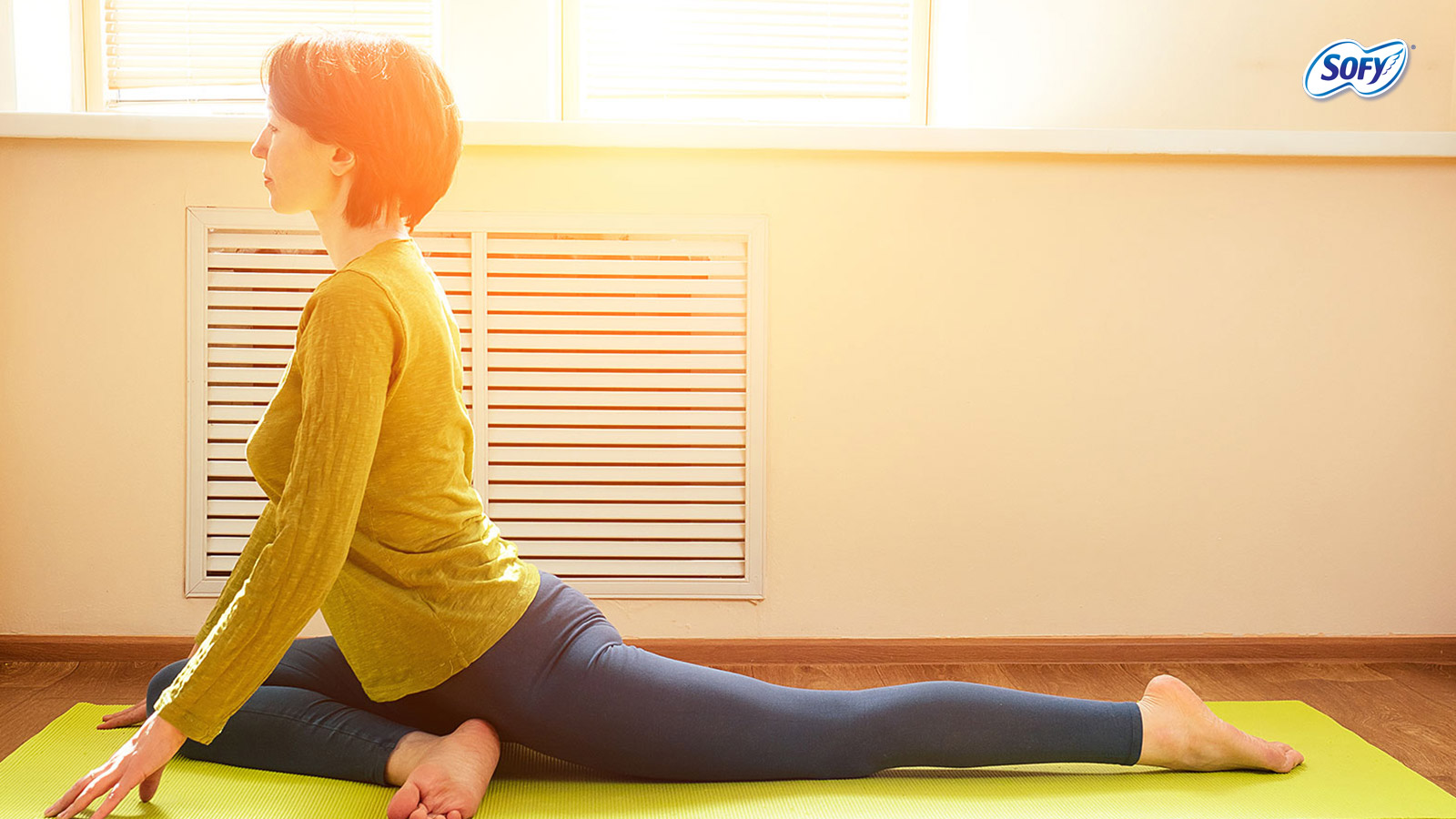

Exercising on a regular basis is important to keep you healthy, fit and away from serious diseases. It not only keeps your weight under control but also gives your emotional health a boost. It is always better to start your day with at least a 30 minute workout to jumpstart your energy for the rest of your day.
In cases of women struggling with the symptoms of PMS (Premenstrual Syndrome), taking up a work-out routine will leave a drastic improvement.
What happens in PMS? Well, PMS is a condition where women experience symptoms every month before their menstruation starts such as exorbitant mood swings, trouble with sleep, fatigue, food cravings, bloating and so on. These symptoms are bad to the point of being unbearable and also affect the normal life.
However, they are not beyond cure. Different methods work for different people, but exercise can work for all if made a part of their daily lives.
What exercises should you pick?
- Aerobics – Aerobics can do wonders to your PMS symptoms like fatigue and depression. A 60 minute Aerobic session three times a week can do wonders to your physical, mental and emotional health.
- Yoga – The benefits of yoga are not limited to the PMS symptoms. Taking up Yoga routine and incorporating it every day can help you regain flexibility, maintain a balanced metabolism, improve cardio and circulatory health, reduce weight and so on. Besides, yoga is best known for reducing chronic pain such as arthritis, lower back pain, headaches etc.
- Walking/Running – Walking and running along with swimming is a good choice. They help in improving your mood swings as it boosts important brain chemicals called endorphins. An increased endorphin also reduces the pain that comes with PMS.
Tip: Whatever exercise plan you may take up, do not overdo it. It can do more harm than good to you. Also, these exercises will only work when you make them a part of your regular life instead of saving them for your PMS symptoms. Along with these exercises, drink plenty of water to keep yourself hydrated and stick to a healthy diet.
FAQ’s
2. What types of exercise are recommended during the PMS phase?
The article recommends aerobic workouts, yoga, and walking/running for managing PMS symptoms. For example, a 60‐minute aerobic session three times a week can support physical, mental and emotional health during PMS.
3. Is it safe to exercise if I’m experiencing heavy PMS symptoms such as cramps or bloating?
Yes, but with caution. Sofy highlights that while exercise benefits most, one should avoid overdoing it. If you’re experiencing heavy cramps, severe bloating or exhaustion, opt for gentler movement like walking or restorative yoga rather than high-intensity workouts.
4. Why does exercise improve menstrual and pre-menstrual discomfort?
Exercise boosts circulation, helps release tension in abdominal muscles, and triggers endorphins — the body’s natural mood lifters. According to Sofy, this chain helps reduce the heaviness, mood swings, and low energy associated with PMS.
5. Are there certain exercises to avoid when dealing with PMS?
The article hints that extremely intense or high-impact workouts may not be ideal during severe PMS symptoms. Instead of pushing hard, favour moderate sessions. Over-exertion may add stress rather than alleviate it.
6. How often should one exercise when trying to relieve PMS symptoms?
Sofy suggests consistency matters — e.g., a 60‐minute aerobic session three times per week can offer noticeable improvement. The key is making exercise a regular habit rather than a single attempt during PMS.
7. Does yoga help with PMS, and if yes, how?
Yes. Yoga helps by improving flexibility, calming the nervous system, and easing muscle tension — particularly in the back, abdomen and hips. Sofy notes that yoga supports not just physical relief but also emotional wellness during PMS.
8. Will exercise change the timing or flow of my period?
According to the article, there’s no indication that moderate exercise will significantly alter the timing or flow of your period. The focus is on symptom relief rather than changing the cycle itself.
9. What else should I combine with exercise to manage PMS symptoms effectively?
Exercise is helpful, but Sofy also emphasises hydration (drink plenty of water) and a healthy diet. These support the exercise regime and enhance its impact on PMS symptoms.
10. When should I seek professional help for PMS symptoms despite doing exercise?
If your PMS symptoms are consistently severe (e.g., extreme pain, very heavy bleeding, mood changes that disrupt daily life), Sofy implies consulting a healthcare provider is wise. Exercise helps, but doesn’t replace professional medical care when needed.