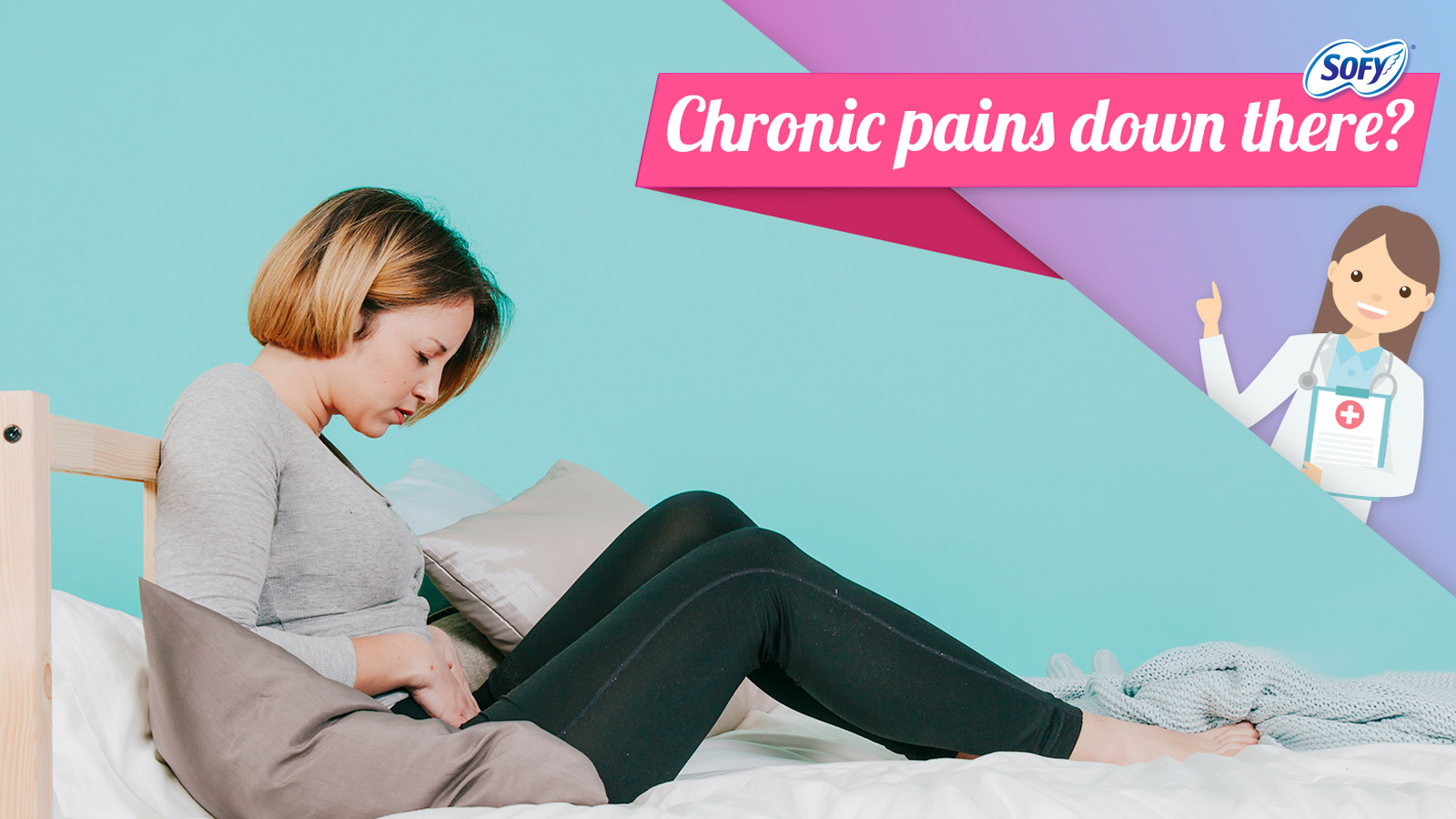

We all know how bad menstrual pain can get. The cramps and random aches and pains in different parts of the body are part and parcel of the joy, that is shark week. But, when you start having pains that aren’t related to your monthly cycle in a place that’s only meant to be treated nicely, it can become a cause of concern. Especially, if you don’t know the reason.
Whether your vagina hurts a little or a lot, you must never ignore it. The pain could be coming from your actual vagina i.e. the internal organ or from the labia and skin that form the vulva i.e. your outside genitalia. Sadly, you can’t pick and choose your pain. But you can find out what’s causing it. Some of the more common issues that can lead to discomfort and pain in your lady business.
Yeast Infections
So, the most common symptoms of yeast infections are more on the itching and burning side of things. But they can be painful and super annoying. The yeast formed during the infection can impact the inside and the outside of the vagina, leading to swelling and redness.
Yes, you can treat a yeast infection with over the counter medications. But the complete eradication of the infection is something that only a doctor can ensure. It is extremely important to seek a doctor’s opinion if you’re dealing with the condition for the first time.
Your gynaecologist will ideally perform a pelvic exam and prescribe antifungal ointments to use until the symptoms are gone.
Vaginal Dryness
Vaginal dryness can happen at any stage in one’s life. However, it is more frequent in post-menopausal women. It can happen due to a variety of reasons. But, essentially it all boils down to a lack of estrogen being produced by the body.
Estrogen is a growth hormone that improves blood flow to the vagina, the thickness of the vaginal wall, as well as the elasticity and lubrication of the vagina. And when there is not enough estrogen coursing through your body, it can make things very painful. Some reasons for this can be birth control pills, breastfeeding, and menopause.
The important thing to remember is that if you ever feel like your lady business isn’t lubricating itself the way it used to, go see a doctor. They’ll be able to treat you with something topical or change your contraception method to make you comfortable.
Vulvodynia
Vulvodynia is chronic vaginal pain without an identifiable cause. People who suffer from vulvodynia face discomfort during penetration or even when inserting a tampon.
But for some women, the pangs of pain are spontaneous and unrelated to intercourse or touching of the area in any way. The underlying cause is unknown and the pain can come and go at any time. The condition also prompts sensations of rawness, throbbing, burning, stinging and itching.
Doctors who diagnose vulvodynia will often treat it with topical medications to help ease the discomfort. The most important thing to remember is that you must visit a doctor if you cannot figure out what’s happening but know that something doesn’t feel right.
FAQ’s
2. How can infections lead to pain “down there”?
Infections such as yeast overgrowth or bacterial vaginosis disturb the natural vaginal balance and trigger irritation, swelling and pain. Sexually transmitted infections (like gonorrhea or trichomoniasis) can also cause burning, discharge or pain during urination and intercourse. Effective treatment depends on accurately diagnosing the infection type.
3. Can vaginal dryness cause pain?
Yes. Vaginal dryness reduces natural lubrication, leading to burning, itching and pain during everyday activities like sitting or intimacy. This is especially common during menopause, breastfeeding, or when estrogen levels drop. Using prescribed lubricants or moisturizers and discussing hormonal options with a clinician can help restore comfort.
4. What is vulvodynia and how does it cause pain?
Vulvodynia is chronic pain of the vulva that may feel like burning, rawness or stabbing without a clear cause. Pain may occur spontaneously or during activities like intercourse, exercise, or wearing tight clothing. Its exact cause is unknown, so treatment focuses on symptom relief and addressing contributing factors.
5. Could pelvic conditions like endometriosis cause vaginal discomfort?
Yes. Endometriosis occurs when tissue similar to the uterine lining grows outside the uterus, often causing pelvic and vaginal pain. It can also lead to painful periods, pain during intercourse, and discomfort during bowel movements. A gynecologist can advise on diagnostic testing and individualized treatment options.
6. Is pain during sex (dyspareunia) related to chronic vaginal pain?
Painful intercourse, known as dyspareunia, is a common form of chronic vaginal pain. It can be caused by dryness, infections, muscular tension, or psychological factors. Using water-based lubricants, reducing irritants like scented products, and seeking guidance from a healthcare provider can help manage symptoms.
7. When should I see a doctor for vaginal pain?
Seek medical attention if the pain is persistent, severe, or accompanied by unusual discharge, bleeding, fever, or discomfort during urination or intercourse. A clinician can perform examinations and tests to pinpoint the cause and recommend targeted treatments to prevent complications and improve quality of life.
8. How do hormonal changes affect vaginal health?
Hormonal changes, such as during menopause, pregnancy, or while taking birth control, affect estrogen levels. Lower estrogen reduces lubrication and elasticity, increasing the risk of dryness and irritation. Discussing non-irritant solutions or hormone therapy with a healthcare provider may help ease chronic pain symptoms.
9. Can lifestyle factors worsen vaginal pain?
Yes. Wearing tight synthetic clothing, using scented products, douching, or lack of hydration can disrupt vaginal balance, leading to irritation, burning and pain. Choosing cotton underwear, gentle hygiene products, and staying hydrated can support comfort and reduce the risk of chronic discomfort.
10. Are there non-medical ways to help manage chronic vaginal pain?
Gentle self-care practices like using unscented hygiene products, avoiding bubble baths, wearing breathable cotton underwear, and staying well-hydrated can help reduce irritation. Pelvic floor exercises or physical therapy may also relieve muscle tension. Always check with a healthcare professional before trying new treatments.