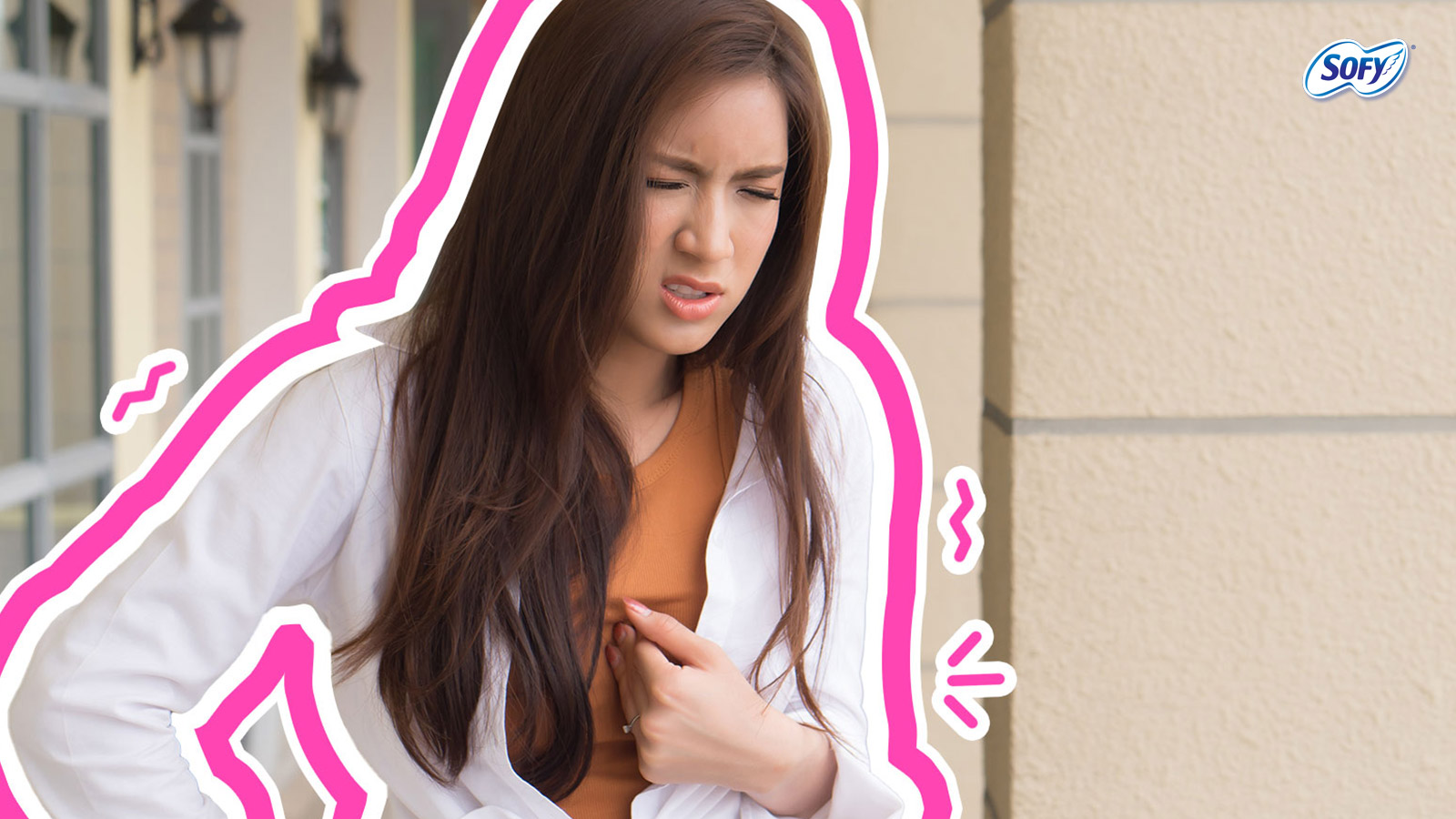

There are many women who experience soreness in the breast as they near menstruation. Some women also observe a little swelling, itches and tenderness along with soreness before and during menstruation. They might even feel sensitive to the touch. This is one of the symptoms of Premenstrual Syndrome (PMS).
It goes away gradually on its own as your periods are over for that particular month and as you near your menopause, symptoms like these will get better. This usually happens as the levels of progesterone and estrogen change and fluctuate before periods.
From putting on a bra to taking public transport, soreness in the breast not only affects the physical well-being but disturbs your everyday routine as well.
What you can do?
There are a few lifestyle changes that can be incorporated to reduce the discomfort in breast before periods.
- Choose a healthy diet that excludes the consumption of alcohol, caffeine and other food which are high in fat and salt.
- Introducing flaxseeds to your diet can also make a lot of difference.
- Wear a bra that fits you well. While there is a majority of women who do not prefer wearing a bra at night time at all, you can still wear it if you need extra support. A comfortable sports bra is recommended.
When you should be worried?
While most of the discomforts in breast before and during periods are normal and do not really need any serious medical attention, there are a few other symptoms to watch out for as they can be warning signs of a serious infection as well.
If you experience pain in the breast after your periods are over, then it does not have anything to do with your periods at all. They can be completely noncyclic and are triggered by many other reasons. Sometimes it affects one and sometimes both the breasts. Conditions such as any trauma to the breast, pregnancy, fibrocystic changes in the breast, a bra that doesn’t fit you well, mastitis and sometimes any sprain caused to the shoulders, back or neck can also result in breast pain.
It is highly recommended that you seek immediate medical attention when your periods have ended and you’re still experiencing soreness in the breast that doesn’t get better and has other symptoms such as any discharge be it blood or clear from the nipples, a lump in any of your breasts, redness, fever, pus or tenderness. Your doctor will perform a breast examination on you before proceeding with the befitting treatment and will also show you how you can do it yourself.
FAQ’s
2. How long before the period does breast soreness typically begin?
Breast tenderness often starts in the luteal phase of the menstrual cycle — the few days to a week before your period begins. Some women note swelling, heaviness, and sensitivity in both breasts during this time. The soreness generally eases once menstruation starts and hormone levels begin changing.
3. Is it normal for only one breast to be sore before a period?
While breast soreness related to the menstrual cycle typically affects both breasts, it’s possible to feel discomfort in just one side. However, if you consistently have soreness in only one breast, especially if accompanied by a lump or persistent pain, it’s wise to consult a healthcare professional to rule out other causes.
4. What lifestyle changes can help relieve pre-period breast soreness?
According to SOFY, several lifestyle changes can ease breast discomfort: wear a well-fitted, supportive bra (even at night if needed); reduce intake of caffeine, salty foods and alcohol in the days before your period; include flaxseeds in your diet; and choose a comfortable sports bra for better support and reduced movement-induced pain.
5. When should I be concerned about breast soreness before a period?
If the pain persists long after your period ends, is localized to one breast, or comes with additional symptoms such as nipple discharge, a lump, redness, fever or swelling, it could signal a condition unrelated to your cycle. The SOFY article recommends seeing a doctor if these signs appear.
6. Could dietary factors influence pre-menstrual breast pain?
Yes. Fluctuations in hormones may affect fluid retention and tissue sensitivity. SOFY suggests limiting high-fat, salty foods, caffeine and alcohol in the week before your period, as these may worsen breast tenderness. Adding flaxseeds to your diet is recommended because they contain omega-3 fatty acids and phyto-oestrogens that might ease symptoms.
7. How can I support my breasts to ease the soreness?
Supportive clothing plays a key role. Wearing a well-fitting bra or sports bra offers better support and reduces strain on tender tissue. Especially during the days you feel swelling or heaviness in your breasts, reducing movement-related aggravation and giving your body extra support can help mitigate discomfort.
8. Are there any supplements or natural remedies recommended for this kind of breast pain?
While the SOFY article highlights diet and support as first-line measures, it also notes that if your discomfort is substantial, lifestyle changes alone may not suffice. Though not detailed extensively in that article, other sources suggest herbal options (like chaste-tree extract) or vitamins might help – but they should be discussed with your healthcare provider.
9. Will this breast soreness continue after menopause?
Typically, pre-menstrual breast soreness decreases as you approach menopause because hormone fluctuations reduce. The SOFY article states that many women see a gradual improvement in symptoms like breast tenderness when their hormonal cycle ends. However, new or persistent breast pain after menopause warrants medical evaluation.
10. Is sore breast before periods a sign of breast cancer?
In most cases, cyclical breast soreness is part of the normal menstrual process and not a sign of cancer. However, if the pain is non-cyclical (does not follow your period pattern), is localized, or comes with other suspicious signs (like a lump or nipple discharge), it’s essential to get checked. SOFY emphasizes that persistent, unusual symptoms should not be ignored.