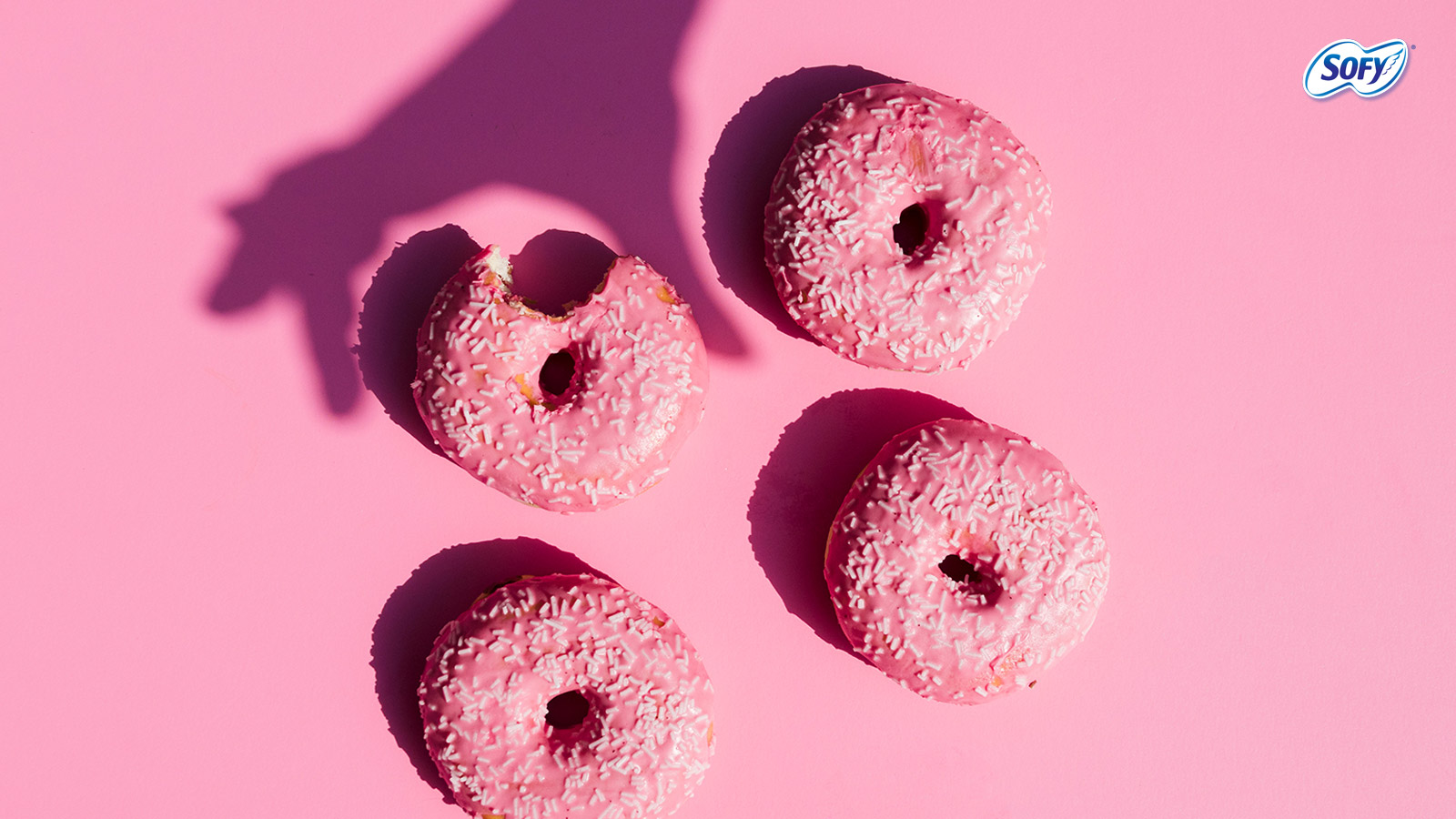

PMSing brings with it mood swings, acne, abdominal bloating and food cravings (especially sweets). Hormonal fluctuations, changes in the blood sugar level and a condition of lack of nutrients can trigger a craving for sweets in the body. The craving for sweets starts with the fluctuation in estrogen and progesterone levels — the rise and drop are responsible for increasing the cravings and then normalising it before the periods are about to start.
The rise in the level of cortisol (stress hormones) and the drop in serotonin (mood-regulating hormone) leads to changes in the blood sugar levels in the body which later leads to an increased craving for sweets. Sugary items help in increasing the levels of serotonin and stand against cortisol production — thereby reducing the effect of fluctuations.
Apart from sweet items, girls also crave for foods rich in carbohydrates and fatty foods. According to a study, minerals such as calcium, magnesium and phosphorus oscillate during the menstrual cycle which leads to temporary food cravings. It is also said that after menstruation, the body of women can experience nutritional deficiencies, because of which they keep getting food cravings. Lack of magnesium in the body makes girls crave for more chocolates — the latter is also recommended otherwise during menstruation.
It is not necessary that all the girls and women will have a craving for the same type of food. Girls who have a higher level of hormones (estradiol and leptin) experience more craving for sweets rather than the ones with a lower level of hormones. Low amount of iron in the body is linked with dizziness, headaches, tiredness, irritability and craving for sweets. This could be another reason for increased craving post the menstruation ends.
FAQ’s
2. Are sugar cravings during PMS normal?
Yes, sugar cravings during PMS are common and a normal response to hormonal shifts. Many women report stronger desire for sweets 1–2 weeks before menstruation. While these cravings are typically harmless, managing them with balanced nutrition can help maintain energy and reduce excessive intake of sugary foods.
3. Do carbohydrates help with period-related sugar cravings?
Complex carbohydrates like whole grains, fruits, and vegetables can help regulate blood sugar and reduce the intensity of sugar cravings. They release energy slowly and support serotonin production, which may improve mood more sustainably than simple sugars found in candies and desserts.
4. Can sugar cravings worsen PMS symptoms?
Eating excessive sugar may lead to spikes and drops in blood glucose, which can worsen mood swings, fatigue, bloating, and inflammation. Balancing cravings with nutrient-dense foods—like nuts, yogurt, and dark chocolate in moderation—can help reduce discomfort and support overall well-being during PMS.
5. How does serotonin influence sugar cravings before periods?
Serotonin, a brain chemical that regulates mood and appetite, may dip before menstruation due to hormonal changes. Low serotonin levels can trigger cravings for carbohydrates and sugary foods because they temporarily boost serotonin production, helping relieve mood swings and emotional discomfort.
6. Are there healthier alternatives to satisfy sugar cravings?
Yes. Try naturally sweet options like fresh fruit, fruit smoothies, yogurt with berries, or dark chocolate (70% cocoa or above). These alternatives offer fiber, antioxidants, and nutrients while providing sweetness, helping satisfy cravings more healthily than refined sugary snacks.
7. Does stress affect sugar cravings during PMS?
Stress can amplify sugar cravings because it triggers cortisol release, which may increase appetite for comfort foods high in fat and sugar. Managing stress through relaxation, gentle exercise, deep breathing, or sleep can help reduce cravings and support better hormonal balance during PMS.
8. Can eating patterns reduce period-related cravings?
Regular meals and snacks that include protein, fiber, and healthy fats help maintain stable blood sugar throughout the day. Avoiding long gaps between meals and choosing balanced food options reduces the likelihood of intense sugar cravings and helps manage overall PMS symptoms more effectively.
9. Should I completely avoid sugar during my period?
You don’t need to completely avoid sugar, but moderation is key. Occasional sweet treats can be enjoyed, but relying heavily on sugary foods can worsen energy crashes, bloating, and mood swings. Balancing treats with wholesome meals is a healthier and sustainable approach.
10. When should I be concerned about my cravings?
If cravings are extreme, lead to uncontrollable eating, or are accompanied by anxiety, mood changes, or physical symptoms that disrupt daily life, discuss them with a healthcare provider. Persistent or intense cravings may relate to diet, stress, or underlying hormonal imbalances requiring professional guidance.