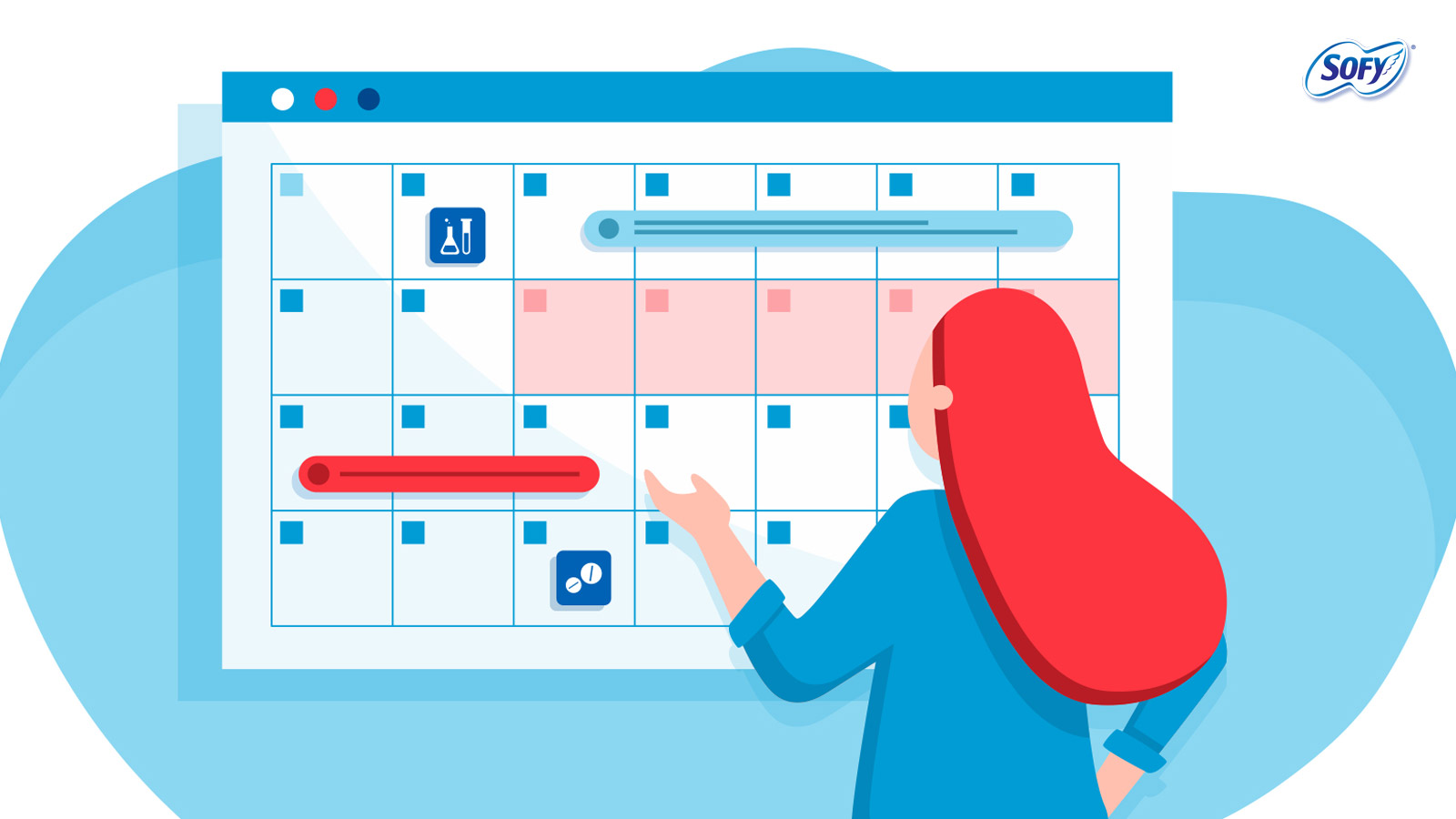

Why Tracking Your Menstrual Cycle Matters
Tracking your cycle helps you understand your body, predict your period, and manage PMS symptoms more effectively. Technology, like period tracker apps, makes it easier than ever.
Understanding the cycle better
Some girls have a precise cycle, usually 21–40 days, while others experience irregular cycles. Tracking helps you recognize patterns and avoid surprises.
-
Spot Irregularities Early
Noticing an irregular cycle can indicate potential health issues. You can consult a gynecologist in time. -
Plan for Flow Days
Recording heavy and light flow days helps you prepare for comfort and convenience during your period.
Managing PMS symptoms
Tracking PMS symptoms lets you anticipate mood swings, cramps, bloating, and fatigue.
-
Lifestyle Adjustments
Avoid caffeine, processed foods, and spicy meals before your period. Opt for small, home-cooked meals and regular exercise to reduce bloating and discomfort. -
Supplements for Relief
Calcium and other supplements can help alleviate mood swings, cramps, and anxiety.
Plan your social calendar
A period calendar helps schedule events according to your energy and mood.
-
High-Energy Days
After your period, estrogen peaks. This is the best time for meetings, social events, or high-intensity workouts. -
Low-Energy Days
A week before your period, hormones drop. Focus on introspection, relaxation, or lighter activities.
Planning to conceive
Whether you are planning to conceive or not, tracking the menstrual cycle can be of immense help. Ovulation is the time when you are most fertile and can easily get pregnant. This is roughly 12th to 16th day from the first day of your period. If you are planning to get pregnant, this is the time to try and conceive. And if you want to avoid pregnancy, this is the time to make sure you use a contraceptive to keep it safe.
Managing your workouts
Adjust exercise intensity according to your cycle.
-
Peak Energy Phase
Days 8–14 are ideal for intense workouts due to higher estrogen levels. -
Low Energy Phase
A week before your period, focus on gentle exercises like yoga, tai chi, or walking to boost mood and reduce PMS symptoms.
Benefits of Menstrual Cycle Tracking
Cycle tracking improves period management, PMS handling, fitness planning, and overall health awareness. It also enables more accurate discussions with your gynecologist.
FAQ’s
How can tracking help me manage PMS symptoms?
By logging how you feel before and during your period—like bloating, mood swings, or cramps—you can recognize recurrent patterns.Knowing these trends enables lifestyle tweaks (diet changes, exercise, sleep) to minimize PMS discomfort. For example, reducing caffeine and spicy food or increasing calcium can make a noticeable difference.
Can tracking my period help with social and work planning?
Yes — according to Sofy, tracking moods and hormones can guide when to schedule big events. A week after your period, when estrogen is high, you’re likely to feel energized and social — making it ideal for important meetings or outings. But a week before your period, when hormones drop, it might be a better time to rest, reflect, or take things slow.
How does tracking support fertility or pregnancy planning?
Tracking uncovers your fertile window, which Sofy suggests is around days 12–16 from the first day of your period. If you’re trying to conceive, these days are optimal. If you're avoiding pregnancy, tracking helps you know when to use contraception or be extra cautious.
When is the best time to intensify workouts, based on my cycle?
Sofy explains that day 8 to day 14 after your period is ideal for more intense exercise because your estrogen levels rise, boosting energy. As your period approaches and energy drops, it’s better to switch to gentle activities like walking, yoga, or tai chi to reduce PMS symptoms and maintain balance.
How do I spot if my cycle is irregular?
By consistently recording cycle length, flow, and symptoms, you can quickly see if your cycle is erratic. Sofy points out that irregular or unpredictable cycles may indicate an underlying problem, and early detection can prompt a timely visit to a gynecologist for proper evaluation.
Can tracking tell me how heavy my flow is?
Yes — tracking helps you note which days are heavy or light by recording how your flow changes day to day. This insight lets you prepare better (carrying extra pads on heavier days) and avoid discomfort or feeling caught off guard.
How does tracking help when I visit my gynecologist?
When you share your cycle data—period dates, flow intensity, PMS symptoms—with your doctor, it gives them valuable insight. According to Sofy, this detailed information helps the gynecologist assess your menstrual health more precisely and suggest targeted medical advice or treatment if needed.
Is there an emotional benefit to tracking my period?
Definitely. By noting your mood and energy shifts along with your cycle, you can predict emotional highs and lows. Sofy explains that this awareness allows you to plan self-care, rest, or social time according to how you’ll likely feel — helping you feel more in control and less surprised by mood swings.
What tool does the Sofy blog recommend to track periods?
Sofy encourages using a period tracker app to log your cycle. The app helps you note period start dates, flow changes, and PMS symptoms, and over time it predicts upcoming periods, fertile windows, and moods — making your menstrual cycle more manageable and less stressful.