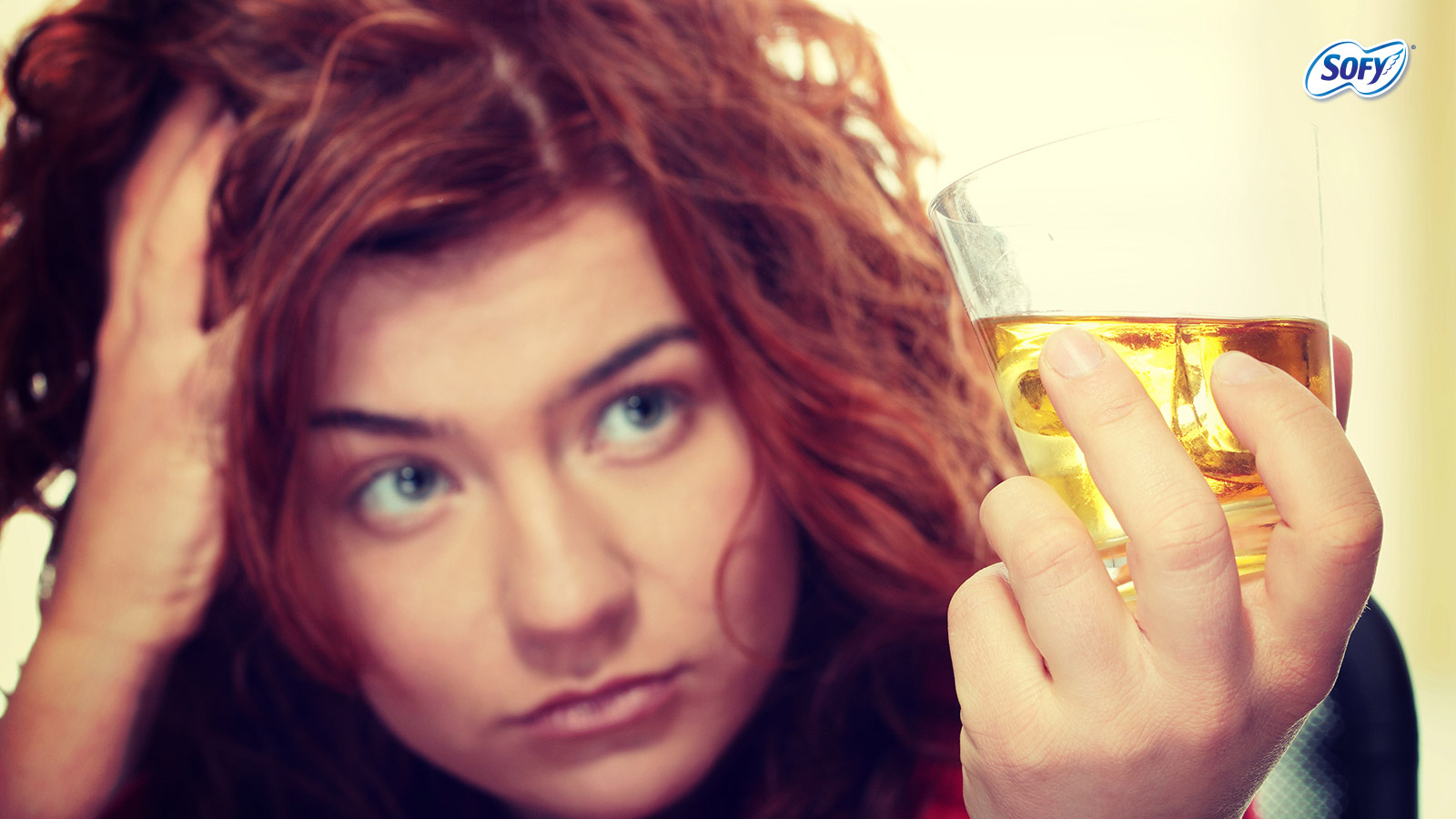

Having alcohol does affect the periods. The quantity of alcohol being consumed decides the effect it casts on the menstrual cycle. Women who drink chronic amounts of alcohol start experiencing problems of amenorrhea, irregular cycles and anovulation. Chronic drinking also leads to the development of alcoholic hepatitis and liver cirrhosis. The hormones are disturbed because of the consumption of alcohol igniting the PMS symptoms and changing the cycle patterns. Below are the main health effects of consuming alcohol on menstruation:
- Regular consumption of alcohol makes the cramps worse because of increased water retention. Bloating in the body increases due to water retention — giving rise to painful cramps. Many of us also experience dehydration post alcohol consumption which increases the chance of feeling painful cramps. Because of dehydration, periods become lighter along with increased cramps and headache.
- Periods become irregular because of alcohol consumption with an impermanent increase of estrogen and progesterone levels — leading to missed or unexpected periods. Alcohol also affects the levels of testosterone and luteinising hormone. These hormones are responsible for initiating the ovulation process and such a condition can even increase the chance of having fertility issues.
- PMS symptoms get a boost because of alcohol consumption. PMS symptoms like headaches, breast tenderness, mood fluctuations and bloating become worse because of excessive alcohol intake.
- The direct effect of drinking is on the magnesium levels inside the body. The fluctuations of the magnesium levels during the menstrual cycle increase which causes dizziness in the body. Decreased magnesium levels are also responsible for the sugar cravings.
Girls and women are bound to drink more during the luteal phase and should avoid going out for parties during this phase. There is an increased effect on the mood from alcohol during this time and the feelings of depression or anxiety might also arise.
FAQ’s
Can alcohol worsen menstrual cramps?
Yes. Alcohol promotes water retention, which causes bloating and dehydration—both of which can make cramps more painful and intense.
Why might PMS symptoms intensify after drinking?
Drinking alcohol can amplify PMS symptoms such as mood swings, breast tenderness, headaches, and bloating by further disturbing hormone levels.
Does alcohol affect fertility or ovulation?
Yes. By disturbing key hormones like luteinizing hormone and testosterone, alcohol may interfere with ovulation, which can impact fertility over time.
How does alcohol influence magnesium levels during periods?
Alcohol causes fluctuations in magnesium levels within the body, which may lead to dizziness and intense sugar cravings, especially during the luteal phase.
Why do some women experience lighter periods after drinking?
Dehydration from alcohol can reduce the amount of menstrual blood, making periods appear lighter while also exacerbating cramps and headaches.
Can alcohol increase the risk of hormonal imbalance?
Yes. Alcohol alters the liver’s ability to process hormones like estrogen and progesterone, causing temporary imbalances that affect menstrual regularity.
Is there a link between alcohol and mood problems during menstruation?
Drinking, especially during the luteal phase, can worsen mood swings or feelings of anxiety and depression, as alcohol interacts with emotional and hormonal systems.
How does alcohol consumption affect dehydration and its relation to menstrual pain?
Alcohol is a diuretic—it causes fluid loss, leading to dehydration. Dehydration can worsen menstrual pain by making the uterus contract more painfully.
Should I avoid alcohol completely if I have period-related issues?
It's not always necessary to abstain completely, but reducing intake and drinking responsibly—especially during your luteal phase—can help lessen negative effects on cramps, PMS, and irregular cycles.