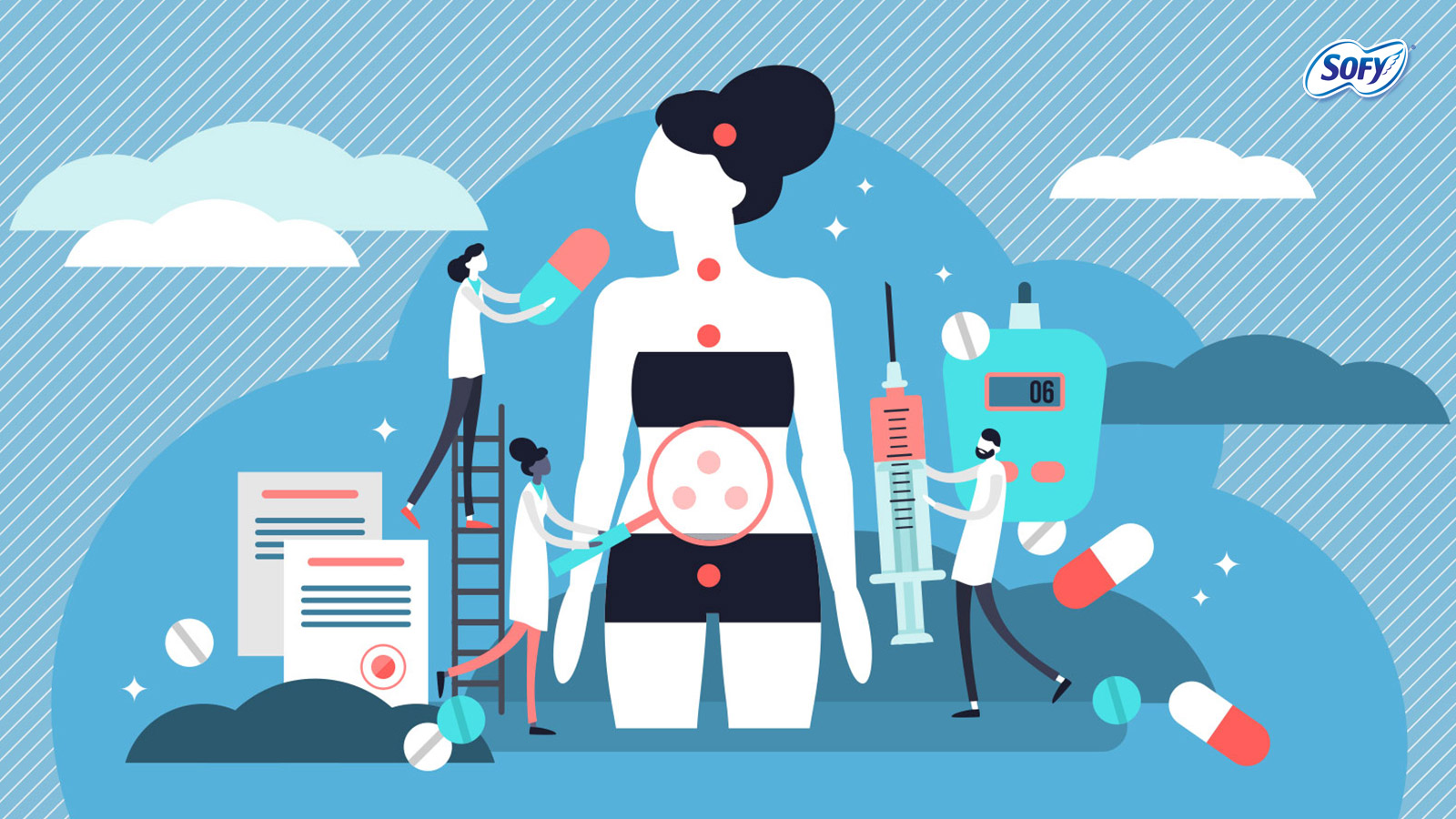

That’s right. How well do you know your hormones? Or are you the person who’s forgotten what hormones are? It’s okay. A lot of people do tend to forget, except for the names, estrogen and testosterone.
So, let’s cover the most important thing first. Hormones are the chemical messengers, that serve to communicate between the organs and tissues. Secreted directly into your blood, the hormones are carried to the organs and tissues of the body to help them carry out their required functions. Every hormone in your body has a specific job to do, both physiological and behavioral. Some of these things are digestion, metabolism, respiration, stress induction, growth and development, movement, reproduction, and mood manipulation.
Now, do you see how much in control of your body, behavior, mood and motions hormones are? Hormones can literally affect cell function and influence them to behave a certain way.
Now, where all do these hormones get secreted from? You probably already know this, but for the sake of clarity, we’re talking about the Endocrine System of the body. The ductless endocrine glands secrete hormones directly into the bloodstream, which helps carry them to their required direction. Some of the major endocrine glands in the system are the pituitary gland, thyroid, adrenal glands, pancreas, testes, and ovaries.
While the amount of hormone secretion is minuscule, it takes a very small amount of the hormones in your bloodstream to bring about massive changes in your body and behavior. Even the slightest excess or deficiency of hormone secretion can lead to problems, as seen quite often with Thyroid.
Now that we’ve cleared all that up, let’s come to the female hormones! The major ones you need to keep track of are estrogen, testosterone, inhibin, and progesterone. When the ovaries, and by ovaries we mean you, reach full maturity, aka when you start menstruating, the ovaries end up releasing these hormones into your bloodstream.
You might be thinking, ‘But Testosterone is a male hormone!’
It’s true, it is, but at the same time it’s not just exclusive to men. Women also have certain amounts of testosterone and about 50 % of that is secreted directly from your ovaries and adrenal glands into your bloodstream. In fact, it plays a key role in your body’s estrogen production, helps keep your libido active and maintains bone and muscle mass!
Estrogen, on the other hand, is responsible for the appearance of secondary sex characteristics in women when they hit puberty. It is also responsible for the maturation and maintenance of your reproductive organs, hello periods! On a lighter note, the estrogen in your body helps stimulate breast tissue growth, maintains vaginal blood flow and lubrication and keeps the vaginal lining elastic. It is also responsible for the thickening of the lining in your uterus during your menstrual cycle. Bonus! It also helps preserve your bone density.
Progesterone is another important hormone in the female body and is directly involved in the reproductive aspects of the same. Progesterone helps prepare your uterus for pregnancy, and the mammary glands (breasts) for lactation (milk production). Progesterone functions with estrogen by promoting menstrual cycle changes in the endometrium aka the lining of the uterus where the fertilized egg attaches itself. We hope you found are answers and explanations helpful, if you have any questions please put them up in the comments section of our social media and we’ll be sure to write about them!
FAQ’s
2. Which glands produce hormones in the body?
The main hormone-producing glands are part of the endocrine system: the pituitary gland, thyroid, adrenal glands, pancreas, ovaries (in individuals with female anatomy) and testes (in individuals with male anatomy). The SOFY article emphasises that these ductless glands release hormones directly into the bloodstream, allowing them to reach organs and tissues around the body.
3. What are the major female hormones and their roles?
In females, key hormones include estrogen, progesterone, testosterone (yes, women have it too) and inhibin. SOFY explains that estrogen helps develop and maintain reproductive organs, support periods and preserve bone density. Progesterone supports the uterine lining for pregnancy, testosterone influences libido and muscle mass, and inhibin helps regulate hormone production.
4. Do women produce testosterone too and why does it matter?
Yes—women produce testosterone, roughly half of it from the ovaries and adrenal glands. SOFY notes that although testosterone is often considered ‘male’, in females it plays vital roles: helping with estrogen production, maintaining libido and supporting muscle and bone health. Low or high levels in women can affect mood, energy and reproductive health.
5. How sensitive is the body to hormone fluctuations?
Very sensitive. Despite being present in extremely small quantities, hormones trigger major bodily changes and influence cell behaviour. The SOFY article states that even slight excesses or deficiencies can lead to noticeable physiological or emotional changes—such as thyroid problems or reproductive issues—which shows how tightly your body is tuned to hormonal balance.
6. What hormonal changes happen at puberty for females?
At puberty, the ovaries mature and begin releasing key hormones like estrogen, progesterone and testosterone. According to SOFY, these hormones trigger secondary sex characteristics (breast development, hips widening) and kick-start the menstrual cycle. This transition illustrates how hormones direct large-scale changes in body structure and function.
7. How do hormone imbalances show up in women?
Hormone imbalances in women may present as irregular or absent periods, heavy or light bleeding, changes in libido, mood swings, fatigue, hair or skin changes, or bone health issues. SOFY explains that because hormones are so integral, even small disruptions may lead to noticeable effects on both physical and emotional health.
8. Why is understanding your hormones beneficial for health management?
Understanding your hormones gives you insight into how your body works—from mood, energy and metabolism to reproduction and ageing. SOFY emphasises that when you’re aware of hormone influences, you can better recognise when things don’t feel right, seek help, make lifestyle adjustments, and thus support your overall wellness proactively.
9. How does the SOFY article describe hormones affecting mood and behaviour?
The SOFY article explains that hormones such as estrogen and progesterone not only drive physical processes but also impact brain chemistry—thereby influencing mood, motivation, stress and emotional responses. The message is clear: what your hormones do can shape how you feel, not just how you look.
10. What practical steps can you take based on this hormone information?
While the article focuses on what hormones are, it implies you can support your hormonal health by noticing patterns in mood, menstrual cycle, energy and physical changes. Tracking symptoms, consulting your doctor when things feel off, and adopting healthy habits (sleep, nutrition, activity) all align with the message of being in tune with your hormones.