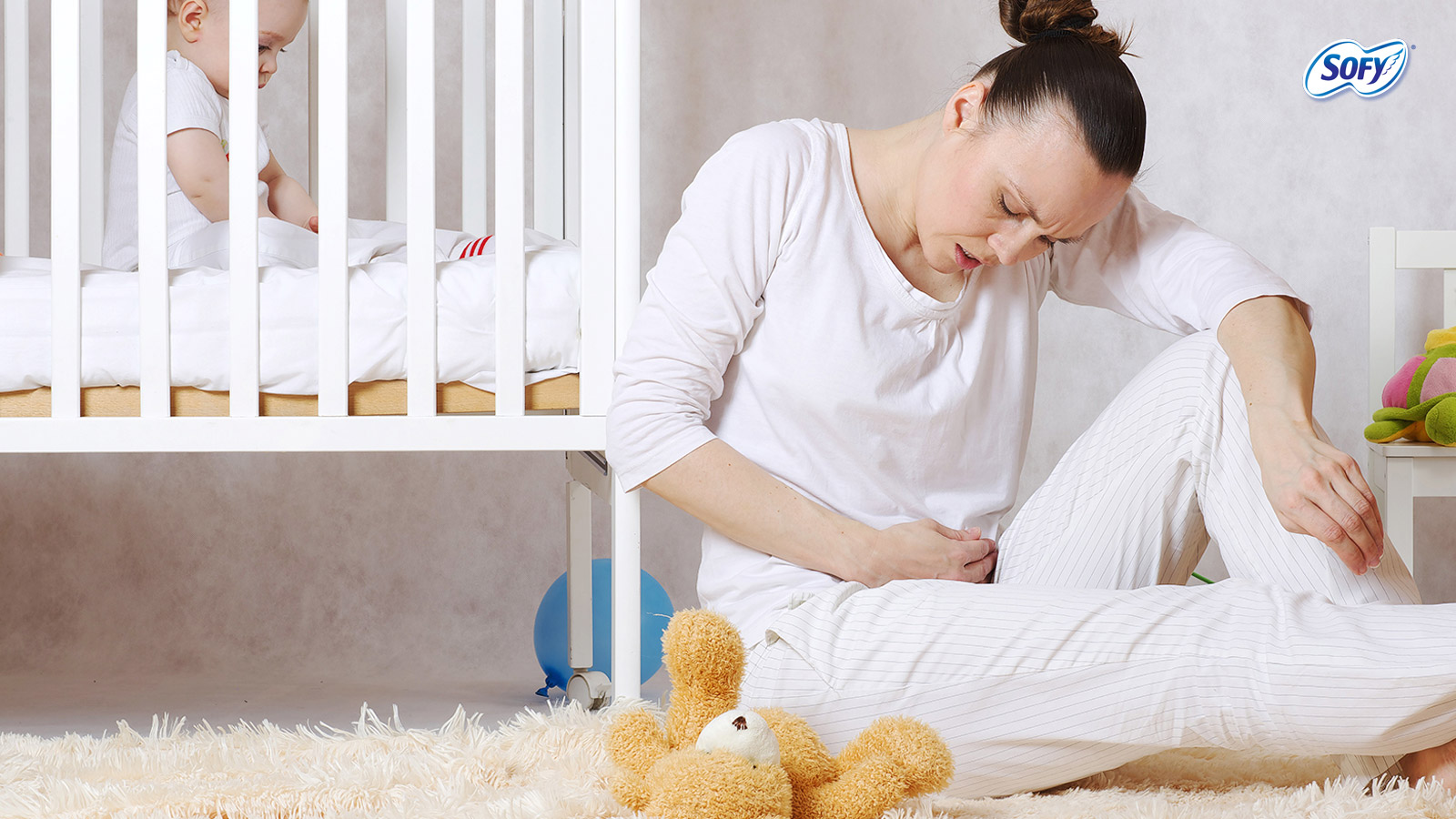

During pregnancy, the uterine lining becomes thick to support the pregnancy. After the baby is born, the uterus begins to contract and shrink back by shedding the uterine lining. This shedding of extra blood, tissue, and mucus from the cervix is postpartum bleeding or lochia.
The first few days bleeding is substantial, and the flow is bright red in colour with clots. This may last for 3-10 days. You will need extra-absorbent sanitary napkins for the flow initially, and later you can switch to regular napkins as the flow gets light. Light bleeding with smaller clots may continue for up to 6 weeks after the delivery. The blood will turn pink or brownish in colour, followed by white or yellowish discharge.
In the case of caesarian delivery, postpartum bleeding might be less as the uterus is cleaned well by the doctor to make sure the placenta is completely removed. This doesn’t happen in vaginal delivery, and so bleeding continues for a longer duration after delivery.
Some helpful tips for managing postpartum bleeding:
1. Do not use tampons for lochia as the uterus and vagina are still in the healing process after delivery. Tampons can cause infection, so its best to use sanitary napkins during the first 6 weeks after birth.
2. Change sanitary pads frequently to keep the vagina clean. The first few days you will need extra-absorbent napkins for heavy flow, gradually as the flow becomes light you can switch to regular pads.
3. Intercourse should be avoided for six weeks to prevent infections.
4. When you have been sitting or lying in bed, on getting up, you might feel a gush of blood. This is because the blood collects in the vagina when you are sitting or lying down and drains out as you stand up. Remember, this is normal. Keep your activities and movement minimal after birth for a month or so. Your body needs time to recover after delivery so rest as much as you can. Too much exertion can increase bleeding.
5. Have a proper healthy diet. Keep yourself hydrated and have foods rich in iron like green leafy vegetables, lentils, beans, peas, meat, fish, eggs, etc.
6. Since the flow is heavy for the first few days, leaks and stains can happen. Dress accordingly in comfortable clothes and use an old towel on the bed to prevent stains.
Postpartum bleeding is entirely natural after delivery and not a reason for worry. However, if the bleeding is too heavy, i.e., you need to change pads every hour, the clots are too large (size of a plum), accompanied by severe cramping, fever, foul-smelling lochia, it is a reason for concern and needs immediate medical attention. Heavy bleeding called postpartum haemorrhage is not normal and requires quick treatment.
FAQ’s
2. How long does postpartum bleeding usually last?
Postpartum bleeding generally lasts about 4 to 6 weeks after childbirth. The flow is heaviest in the first few days and gradually reduces over time. Initially, it may resemble a heavy menstrual period, then transition to lighter discharge. If the bleeding becomes excessively heavy, has large clots, or suddenly increases, consult a healthcare provider.
3. What are the stages of postpartum bleeding?
Postpartum bleeding progresses through three stages:
Lochia rubra: Bright red bleeding in the first few days.
Lochia serosa: Pinkish or brownish discharge after about a week.
Lochia alba: Whitish or yellowish discharge several weeks later. Each stage reflects the gradual healing of the uterus.
4. Is postpartum bleeding painful?
Some spotting and mild cramping can occur as the uterus contracts to return to its normal size. These cramp-like sensations are usually mild and manageable. However, severe pain alongside heavy bleeding, fever, or foul-smelling discharge may signal a complication and warrants prompt medical evaluation.
5. How much bleeding is normal after childbirth?
Normal postpartum bleeding starts heavy and gradually lightens over days and weeks. Soaking one pad every hour in the first day is common, but if bleeding soaks multiple pads in an hour, contains large clots, or causes dizziness, seek medical advice, as this may indicate excessive bleeding or retained tissue.
6. Can I shower or bathe during postpartum bleeding?
Yes, it is generally safe to shower and maintain personal hygiene during postpartum bleeding. However, avoid baths, swimming, and soaking in tubs until bleeding significantly reduces and your healthcare provider gives clearance. Good hygiene helps prevent infections, but internal healing still needs gentle care.
7. When should I contact a doctor about postpartum bleeding?
Contact a healthcare provider if you experience very heavy bleeding (soaking a pad every hour), large clots, fever, foul-smelling discharge, increasing pain, or symptoms like dizziness or weakness. These signs may indicate infection, retained placenta, or other complications requiring immediate attention.
8. Can postpartum bleeding return after it stops?
Yes, light spotting or bleeding can intermittently return for a short period as your hormones adjust and the uterus continues healing. This is common. However, a sudden heavy return of bleeding after it had mostly stopped should prompt you to consult a doctor.
9. Does postpartum bleeding differ after vaginal and C-section deliveries?
Both vaginal and C-section deliveries involve postpartum bleeding, but patterns may vary slightly. Bleeding may start similarly in both cases, though some women report a slower reduction after surgery. The key is monitoring changes and consulting a healthcare provider for any unusual or heavy bleeding regardless of delivery method.
10. How can I manage discomfort during postpartum bleeding?
To ease discomfort, rest frequently, use sanitary pads rather than tampons, and support your abdomen with gentle pressure when sitting. Drinking water, light walking, and warm compresses may help with mild cramps. Pain not relieved by over-the-counter methods should be discussed with a doctor for safe alternatives.