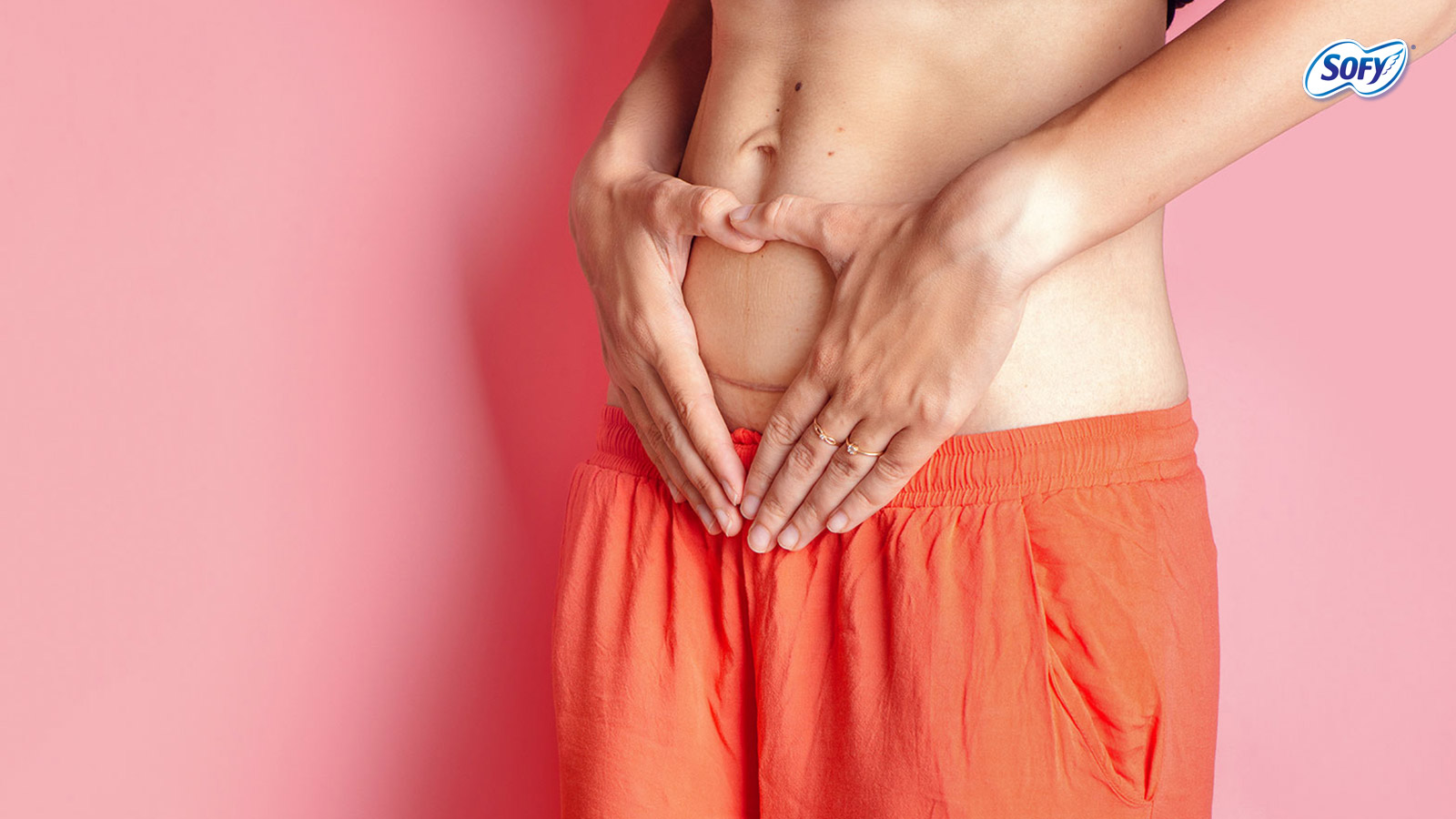

It is absolutely normal for a new mother to experience different types of aches and pains after having delivered her baby. But despite the fact that for most women these pains do subside after some time, a lot of women do continue to experience them for months on end, post the delivery as well.
Here are the different kinds of postpartum pains that a new mother can experience post the delivery of her child and methods on how she can manage the pain as well.
Breast Pain
Of the many pains that a mother has to face post the delivery of her baby, the most common of them all is breast pain. Due to the filling up of the breast with milk, the breasts tend to get enlarged and tender. A day or 3 days post-delivery, women develop engorged breasts due to which many of them might feel pain on a frequent basis.
This engorgement is mainly due to the fact that excess milk is stored in the breast. Heaviness in the breasts could very well also be the cause of back pain post-delivery.
Dealing with it
Nursing often can help the consumption of excess breast milk. Breastfeeding is one solution that can very well be able to reduce the breastmilk content and making them less swollen and less tender as well. Feeding your baby every 3 hours will help tremendously. A gap between feeding time of 4-5 hours will result in the further engorgement of the breasts. Breast pumps will also reduce engorgement.
Contractions
Contractions post the delivery of a baby might sound weird, but it is a very common pain that you might feel. This is because post the delivery of your child, your uterus is contracting back to its normal size. Breastfeeding might also trigger contractions. The good thing here is that these contractions, more often than not, last only for a few days.
Dealing with it
Start going to the loo more often to urinate. This helps to a great extent in controlling the contractions. Also increasing the frequency of feeding your baby can help to a large extent. Practice relaxation techniques and breathing exercises to alleviate the pain. If nothing helps, have a word with your doctor to help you with any pain medication that he/she might find the need to give you.
Itches in the C-section Scar
Itching essentially points to the healing of the C-section scar and this is a good thing. It is also very common for anyone who has undergone a caesarean surgery to get their baby delivered. As the scar continues to heal, the itching also decreases and eventually goes away. What could be a rare cause of the itching of the scar could be an infection or merely dry skin.
Dealing with it
The first thing you need to remember is that under no circumstances should you scratch the scar even if it itches like anything. Know to keep in mind that the more it heals, the itchier it will get, so keep your hands to yourself. An ice pack could very well help with the irritation but do not use it on the scar spot for more than a few minutes. If in case you start to notice that the scar seems to be infected or has pus in it, you need to go to the doctor immediately. Always make sure that you follow-up on all your postpartum check-ups to ensure that you are healing in the best way possible.
FAQ’s
Why do I feel uterine contractions after childbirth and what to do?
Post-delivery uterine contractions (also called after-pains) occur as the uterus shrinks back to its pre-pregnancy size. According to the Sofy article, these may feel similar to menstrual cramps and often intensify when breastfeeding because of hormone release. To manage them, women are advised to urinate regularly, practice relaxation techniques or light breathing, and if needed use pain relief (after consulting a doctor). These pains typically decrease after a few days.
What is the reason for itching in my C-section scar and how can I treat it?
Itching around a C-section scar is common and signals that the healing process is underway. Sofy notes that scratch-free care is important—scratching may worsen the site, invite infection, or prolong healing. Using a cold compress for a few minutes can soothe the area, and covering the scar with breathable clothing prevents irritation. If the scar shows pus, redness, or severe pain, medical attention is required.
Why might I have back or body aches after giving birth?
New mothers often face pain across the body — from the lower back to shoulders — due to strain during labor and physical demands post-birth. The Sofy blog outlines that back pain might stem from weakened core muscles, posture changes (carrying the baby, breastfeeding), and hormonal shifts affecting ligaments. Managing this involves ensuring good posture, gentle movement, and seeking professional help if pain persists beyond typical recovery.
What are common issues with bleeding and discharge post-delivery, and when should I worry?
After childbirth, vaginal bleeding and discharge (lochia) are normal as the body clears blood and uterine tissue. Sofy warns that while it may last several weeks, heavy bleeding (soaking more than a pad every hour) or passage of large clots may signal problems. Maintaining hygiene, using pads rather than tampons, and monitoring flow are key. Medical evaluation is necessary if bleeding intensifies or is accompanied by fever.
What triggers perineal pain after childbirth and how can it be eased?
The perineum (area between vagina and anus) can be sore after vaginal delivery, especially if there was tearing or an episiotomy. Sofy states this pain often peaks a few days post-delivery. Relief options include using a cold compress, sitting on a cushioned ring, warm baths, and avoiding heavy activity. Gentle pelvic floor exercises may assist later, but persistent severe pain or signs of infection should be evaluated by a healthcare provider.
How does engorgement affect breast health and steps to manage it?
Breast engorgement occurs when milk accumulates faster than it is expressed, causing fullness, heat and tenderness. Sofy highlights that frequent nursing or pumping helps reduce engorgement. Warm showers before feeding and cool packs afterward aid comfort. Wearing a snug bra offers support. If engorgement lasts beyond a few days, or if there is redness or fever, consult a healthcare provider as it can indicate infection.
Why might I experience frequent urination or other bladder changes postpartum?
After childbirth, bladder and pelvic floor muscles may be weakened or affected by prolonged labour, causing urinary changes or urgency. The Sofy article emphasizes that understanding this is part of postpartum recovery. Strengthening pelvic muscles through gentle exercises, emptying the bladder regularly, and staying hydrated help restore control. Persistent leakage or inability to void warrants evaluating for pelvic floor dysfunction.
What role does rest play in postpartum recovery and pain reduction?
Rest is critical in healing and reducing pain postpartum. Sofy identifies that new mothers’ bodies undergo numerous changes and require downtime. Ensuring sleep when possible, accepting help, and avoiding strenuous activities supports recovery of muscles, tissues and hormonal balance. Neglecting rest can exacerbate aches, fatigue and emotional strain. Prioritising self-care helps reduce physical pain and supports overall health.
When should I seek medical advice for postpartum pain?
While many postpartum pains are common, Sofy highlights red-flags: increasing pain instead of decreasing, heavy bleeding, fever, pus at incision sites, swelling in legs (possible clot) or persistent urinary issues. If any of these occur, contact your healthcare provider immediately. Early evaluation prevents complications and ensures proper treatment. Recovery is unique—listening to your body and seeking help when needed is wise.