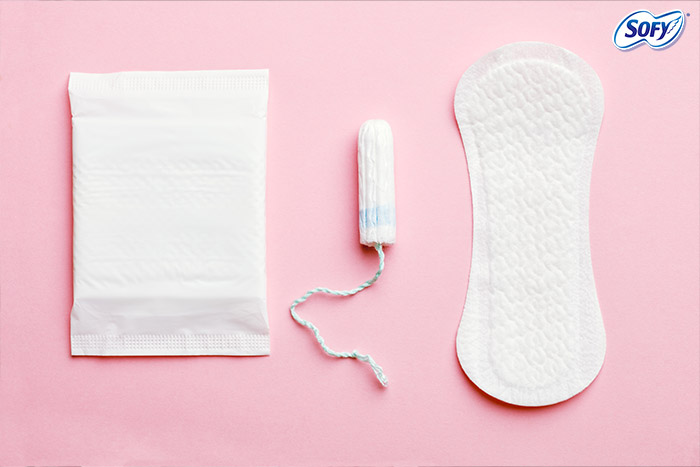

Choosing the right pad shouldn’t feel like solving a science quiz. But somehow, when you walk into a store (or scroll online at 2 AM), the number of period pad types staring back at you can feel like a whole syllabus. Day pads, night pads, ultra-thins, long, extra-long, wings, no wings… and you’re just standing there thinking, “I just want to survive my period without leaks.”
So let’s break it down—day pads vs. night pads, what’s actually different, and how do you pick the right one?
Day Pads: Your Go-To Sidekick for the Hustle Hours
Day pads are basically your 9-to-5 besties. They’re designed for when you’re moving around, sitting, standing, walking, surviving meetings, or pretending to be productive.
What makes day pads different?
- They’re usually shorter and slimmer, so they feel light and comfy.
- They’re made for moderate absorption – perfect for daytime flow.
- They’re shaped to stay secure even when you’re running around like a busy queen.
- They have a thicker core for keeping you comfortable as you spent most of your time sitting/standing/moving.
- They are thinner to help you feel comfortable when moving around and to make sure that the shape or lining of the pad is not visible through clothes
If you’re looking for solid daytime options, SOFY has an entire range depending on your flow.
- SOFY Bodyfit Pads are great for heavier days when you still need to be active—they stay perfectly in place (even during unexpected Bollywood-style leg kicks).
- SOFY AntiBacteria Pads keep your skin dry, fresh, and protected throughout the day—ideal if irritation or sweatiness is a concern.
Night Pads: The Sleep-Saving Superheroes
Night pads aren’t just “longer versions” of day pads—they’re engineered for uninterrupted sleep without leak stress.
What makes night pads special?
- They’re longer and wider, especially at the back, to protect you when you toss and turn.
- They have higher absorption capacity since period flow can be heavier at night.
- They offer 360° leak protection so your bed, sheets, and favourite PJs stay safe.
If you’ve ever woken up to a surprise stain moment, night pads are your lifesavers.
SOFY AntiBacteria Overnight Pads come with a wide hip guard plus antibacterial protection, so you sleep calmly, comfortably, and confidently.
So… Which One Should YOU Use?
Honestly? Both.
Think of them like shoes: sneakers for the day, cosy slippers for the night.
Using the right pad at the right time makes your period experience much smoother.
And on days when you don’t want to use pads at all, SOFY’s got you:
- SOFY Pantyliners for light discharge or spotting
- SOFY Tampons for that no-usage feeling
- Tampons that let you chill, swim, dance, or just exist without worrying about movement
With so many period pad types and kinds of sanitary pads available, SOFY makes it simple to pick what suits your flow and your lifestyle.
The Bottom Line
Day pads and night pads serve different purposes, and choosing the right one can completely transform your comfort.
Day pads keep you light and active, while night pads give you leak-proof, worry-free sleep.
With SOFY offering different kinds of sanitary pads, tampons, and pantyliners, customizing your period routine has never been easier.
Periods are annoying… but your pad shouldn’t be.
Choose what fits your day, your night, and your vibe.
FAQ’s
2. How long does postpartum bleeding usually last?
Postpartum bleeding generally lasts about 4 to 6 weeks after childbirth. The flow is heaviest in the first few days and gradually reduces over time. Initially, it may resemble a heavy menstrual period, then transition to lighter discharge. If the bleeding becomes excessively heavy, has large clots, or suddenly increases, consult a healthcare provider.
3. What are the stages of postpartum bleeding?
Postpartum bleeding progresses through three stages:
Lochia rubra: Bright red bleeding in the first few days.
Lochia serosa: Pinkish or brownish discharge after about a week.
Lochia alba: Whitish or yellowish discharge several weeks later. Each stage reflects the gradual healing of the uterus.
4. Is postpartum bleeding painful?
Some spotting and mild cramping can occur as the uterus contracts to return to its normal size. These cramp-like sensations are usually mild and manageable. However, severe pain alongside heavy bleeding, fever, or foul-smelling discharge may signal a complication and warrants prompt medical evaluation.
5. How much bleeding is normal after childbirth?
Normal postpartum bleeding starts heavy and gradually lightens over days and weeks. Soaking one pad every hour in the first day is common, but if bleeding soaks multiple pads in an hour, contains large clots, or causes dizziness, seek medical advice, as this may indicate excessive bleeding or retained tissue.
6. Can I shower or bathe during postpartum bleeding?
Yes, it is generally safe to shower and maintain personal hygiene during postpartum bleeding. However, avoid baths, swimming, and soaking in tubs until bleeding significantly reduces and your healthcare provider gives clearance. Good hygiene helps prevent infections, but internal healing still needs gentle care.
7. When should I contact a doctor about postpartum bleeding?
Contact a healthcare provider if you experience very heavy bleeding (soaking a pad every hour), large clots, fever, foul-smelling discharge, increasing pain, or symptoms like dizziness or weakness. These signs may indicate infection, retained placenta, or other complications requiring immediate attention.
8. Can postpartum bleeding return after it stops?
Yes, light spotting or bleeding can intermittently return for a short period as your hormones adjust and the uterus continues healing. This is common. However, a sudden heavy return of bleeding after it had mostly stopped should prompt you to consult a doctor.
9. Does postpartum bleeding differ after vaginal and C-section deliveries?
Both vaginal and C-section deliveries involve postpartum bleeding, but patterns may vary slightly. Bleeding may start similarly in both cases, though some women report a slower reduction after surgery. The key is monitoring changes and consulting a healthcare provider for any unusual or heavy bleeding regardless of delivery method.
10. How can I manage discomfort during postpartum bleeding?
To ease discomfort, rest frequently, use sanitary pads rather than tampons, and support your abdomen with gentle pressure when sitting. Drinking water, light walking, and warm compresses may help with mild cramps. Pain not relieved by over-the-counter methods should be discussed with a doctor for safe alternatives.