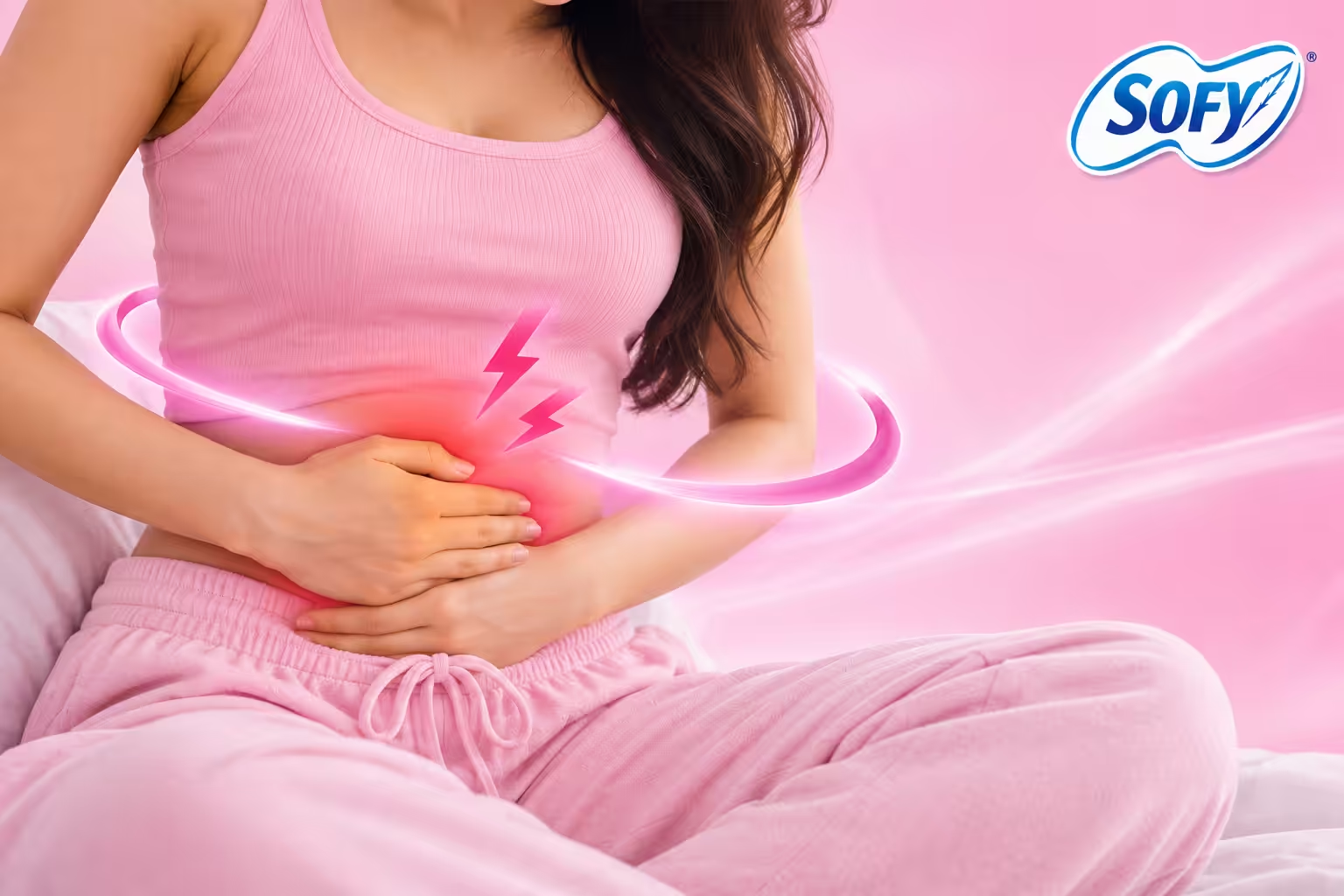

Period cramps happen when the uterus contracts to shed its lining, triggered by hormone-like compounds called prostaglandins. How to reduce stomach pain during periods usually comes down to a few gentle, evidence-backed habits working together: eating and drinking in a way that supports your body, warmth, light massage, and movement like yoga. None of these needs to be complicated, and a few genuinely have research behind them.
Quick Reads:
- A meta-analysis of clinical trials found heat therapy provides pain relief comparable to common painkillers for period cramps, with fewer side effects
- Gentle circular massage over the lower abdomen is a simple, low-effort habit worth adding alongside the rest of the routine
- A meta-analysis of ginger studies found it was about as effective as a common anti-inflammatory medication for easing period pain
- Most period pain settles within two to three days, so pain that lasts much longer or feels unusually severe is worth mentioning to a doctor
- A meta-analysis of yoga trials found a noticeably lower pain intensity in people who practised yoga compared to those who didn’t
- Warm drinks, light, frequent meals, and reducing salt, sugar, caffeine, and alcohol are commonly recommended lifestyle steps for easing cramps
You know the day. You’re hunched over your desk, or cancelling plans, waiting for the ache low in your stomach to ease up enough to think straight. Reaching for a painkiller and hoping for the best is one option, but it’s rarely the only one that works. A handful of small habits, food, warmth, movement, and rest, can genuinely ease that pain when they’re used together rather than one at a time. This is how each piece fits into a routine you can actually follow.
What Actually Causes Period Pain?
So what’s actually going on down there? Period pain, or dysmenorrhea if you want the medical term, happens because your uterus is contracting to shed its lining, and the thing triggering those contractions is a hormone-like compound called prostaglandins. More prostaglandins, stronger contractions, and that’s your cramping, throbbing ache low in the belly. For most people, it kicks in a day or two before bleeding starts, hits its peak in that first 24 hours, then eases off over two or three days.
It matters because it explains why these habits actually work. They either dial down prostaglandin activity, loosen the muscle tension it causes, or make the whole thing easier to sit through.
What Should You Eat and Drink to Ease Cramps?
A light, warm, anti-inflammatory approach tends to help most, especially when choosing foods for a healthier period. Diets higher in whole grains, fruits, vegetables, and foods such as fish and nuts, and lower in salt, sugar, caffeine, and alcohol, are commonly recommended to ease period pain. Warm drinks and smaller, more frequent meals can also feel gentler on the stomach during a period than heavier or spicier food.
Staying well hydrated matters here too, since dehydration can make bloating and cramping feel more pronounced. Warm water, herbal tea, or a broth-based soup is an easy way to combine both habits at once.
Does Massage Really Help With Period Pain?
Gentle massage over the lower abdomen is a simple habit that can genuinely ease tension. Using light, circular motions with your palm, warmed slightly with a bit of oil if you like, for five to ten minutes can help relax the muscles that tighten during cramping. This is a habit that doctors commonly mention alongside heat and rest to ease period pain.
Pairing massage with a warm hand or a slightly heated oil adds a gentle layer of comfort on top of the massage itself.
Is Heat Therapy as Effective as Painkillers?
Often, yes, which is genuinely reassuring for anyone who’d rather avoid medication where possible. A meta-analysis of multiple randomised trials found that heat applied to the lower abdomen produced pain relief comparable to that of common anti-inflammatory painkillers, with a better overall safety profile. A heating pad, hot water bottle, or warm bath applied for twenty to thirty minutes is usually enough to feel the difference.
This makes heat a great first move, honestly. It’s simple, low-risk, and there’s real research behind it, not just old wives’ tale energy.
Which Home Remedies Are Actually Backed by Evidence?
Out of all the home remedies people swear by, ginger’s the one that actually has real research behind it, not just word of mouth. A meta-analysis of ginger studies found it worked about as well as a commonly used anti-inflammatory for easing period pain, whether you take it as capsules, sip it as tea, or eat it fresh during the first few days of your cycle. It’s a gentle, food-based option worth adding into the mix alongside heat and rest.
Other commonly mentioned remedies, like magnesium or vitamin B supplements, have some supporting research, though it’s less extensive than the evidence for ginger and heat.
Can Yoga Genuinely Reduce Period Pain?
Yes, and the effect shows up clearly across research on the topic. A meta-analysis found a noticeably lower pain intensity in people who practised yoga during their cycle compared to those who didn’t, with gentle poses that stretch and relax the lower abdomen and back seeming to help most. Even fifteen to twenty minutes of slow, gentle movement can make a difference.
Child’s pose, cat-cow, and a gentle seated forward fold are commonly suggested starting points, done slowly and without pushing into discomfort.
A Simple Routine to Bring It All Together
Trying to do everything in one go usually just feels like more effort on a day when you have the least energy. The order below starts with what tends to bring relief fastest, then layers in the habits that help more with how the rest of your day feels.
- Start with a warm drink and a light meal; choose something anti-inflammatory over something heavy
- Apply heat to your lower abdomen for twenty to thirty minutes when the ache begins
- Follow with a few minutes of gentle self-massage over the same area
- Add ginger, as tea or in food, during the first day or two of your cycle
- Move gently through a short yoga sequence later in the day, if you’re up for it
- Rest when you need to, since the routine works best alongside your body, not against it
What Else Brings Comfort During a Painful Day?
Feeling secure in what you’re wearing actually matters more than people give it credit for. Reliable period panties mean that’s just one less thing on your mind while you’re trying to rest, ease through some yoga, or lie there with a heating pad glued to your stomach.
And on the days you’re constantly shifting around, curled up one minute, sitting up the next, flat on your back after that, 360-degree leakage protection panties are honestly such a relief. You’re not stuck managing pain and stressing about coverage at the same time.
When Should You See a Doctor About Period Pain?
Most period pain settles on its own within two to three days and responds well to the habits above. It’s worth checking in with a doctor if pain is severe enough to disrupt your daily life, lasts longer than usual, or has noticeably worsened over recent cycles, since these can sometimes point to an underlying condition like endometriosis or fibroids
A gentle checklist for when to seek advice:
- Does it last longer than two to three days?
- Does it stop you from going about your usual day?
- Has the pain become noticeably worse over the last two to three cycles?
- Are you noticing any new symptoms alongside it, such as unusually heavy bleeding or pain at other times of the month?
Conclusion
Knowing how to reduce stomach pain during periods rarely comes down to one single fix. It’s the small, gentle habits, warmth, food, movement, and rest, working together, that tend to make the real difference over time. Start with one or two from this routine, see what helps, and build from there. It’s the same gentle care we try to bring to every Sofy product, comfort included, and it’s worth giving yourself the same patience.
Frequently Asked Questions
1. What actually causes period cramps?
Cramps happen when the uterus contracts to shed its lining, triggered by hormone-like compounds called prostaglandins. Higher levels of these compounds tend to cause stronger, more noticeable cramping.
2. Does heat really work as well as painkillers for period pain?
Research suggests it often does. A meta-analysis of clinical trials found that heat therapy provided pain relief comparable to that of common anti-inflammatory medications, with fewer side effects overall.
3. Is ginger actually effective for period pain, or is it just a home remedy myth?
It’s genuinely backed by research. A meta-analysis found ginger worked about as well as a commonly used anti-inflammatory medication for easing period pain when taken during the first few days of a cycle.
4. How long should I try yoga before expecting it to help with cramps?
Some people notice relief within a single gentle session, though research on yoga for period pain generally looked at regular practice over a few cycles for the clearest results.
5. What foods should I avoid to reduce period pain?
Reducing salt, sugar, caffeine, and alcohol intake is commonly recommended, along with eating more whole grains, fruits, vegetables, and anti-inflammatory foods like fish and nuts.
6. When should period pain be checked by a doctor?
If pain disrupts your daily life, lasts longer than two to three days, or has clearly worsened over recent cycles, it’s worth mentioning to a doctor, since these can sometimes point to an underlying condition.