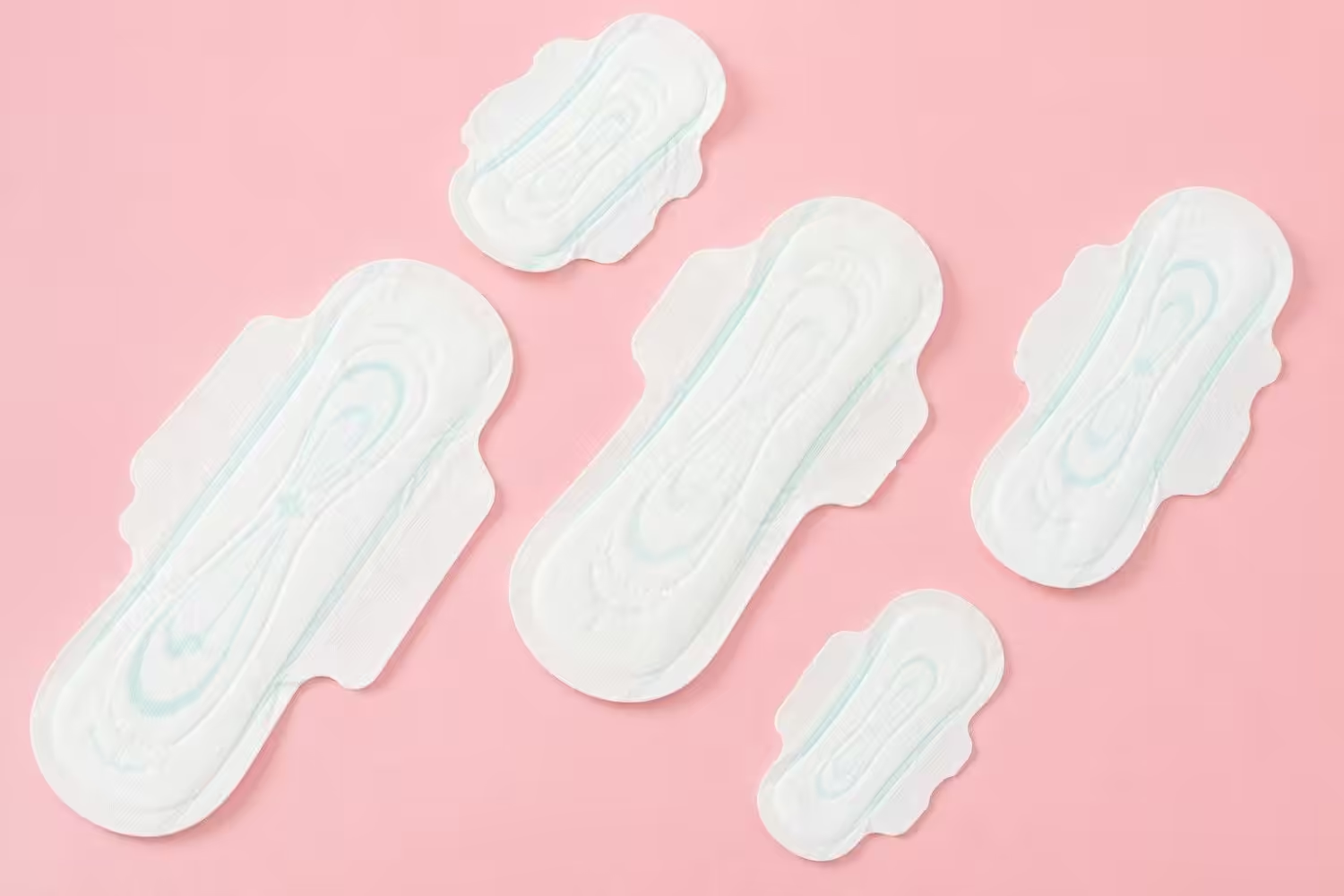

A period pad only works well when its absorbency matches what your body is actually doing that day. Light pads handle spotting, medium ones get you through the calmer middle days, heavy pads step up when flow peaks, and overnight pads are built to last through sleep. Get this right, and leaks stop being a daily worry, along with the rashes that come from sitting in a damp pad too long.
Quick Reads
- Flow shifts across a period, so one pad type rarely sees you through the whole cycle.
- Many women bleed heaviest in the first two to three days before things ease up.
- A denser, longer pad handles peak flow far better than a regular one.
- Changing every three to four hours matters even on lighter days, since dampness alone invites irritation.
- Sanitary pads that prevent rashes are usually breathable and fragrance-free, which matters most on heavy or overnight days.
Ever stood in the pad aisle and just grabbed whatever you always buy, without really thinking about how to choose the right pad for your period flow that day? Most women do exactly this. It’s not laziness; it’s just that nobody explains why absorbency levels exist in the first place. Light, medium, heavy, and overnight period pads aren’t marketing labels. They’re built differently on purpose, and once that clicks, picking the right one for each day of your period stops being a guessing game.
What Do Pad Absorbency Levels Mean?
Absorbency really comes down to one question: how much fluid can a pad hold before it needs changing? That depends on the core material, length, and how many layers sit inside. A short, thin pad only has so much to give, fine for a light day, but not much further than that. A longer pad with a denser core and wider back takes on far more without letting a drop through.
Brands usually spell this out with drop symbols or simple words like light, regular, heavy, or overnight, so you’re not decoding a spec sheet in the store.
Which Pad Is Best for Light Flow?
Pads For Light Flow days call for something thin and breathable, since spotting doesn’t need heavy-duty protection.
Thin or Ultra-Thin Pads
These pads sit close to the body and barely register once you have them on, which makes them ideal for a low-flow day.
Pantyliners
Pantyliners come in handy right before your period officially starts or during the last stretch when things are winding down.
Shorter Length Works Fine
A pad in the 17 to 23 cm range covers you well without adding the bulk that a longer pad would bring.
Softer, Gentler Materials
If your skin reacts easily, sanitary pads that prevent rashes usually rely on a cotton-like top layer to keep friction low during these lighter, shorter-wear days.
When Should You Choose Medium Absorbency Pads?
Medium pads are the everyday choice, built for the steady middle stretch of your period rather than either extreme.
Flow Feels Consistent
Once your flow settles into a steady rhythm- not heavy, not barely there- that’s usually your cue to switch to medium.
Right After the Peak
Flow tends to ease into this calmer pace once the first heavy days pass, often somewhere around day three.
Balanced Coverage
Pads between 23 and 25 cm strike the right balance, enough protection to get through a full day without feeling like overkill.
Built for Forgetting You’re Wearing One
A good medium pad gives you comfort you barely notice, and honestly, that’s the whole goal on a regular day.
How Do Heavy Flow Pads Provide Better Protection?
Pads for heavy menstrual flow are built bigger and denser everywhere it matters, so sudden surges don’t take you by surprise.
Longer Coverage
A length of 25 to 28 cm cuts down on the side and back leaks that a shorter pad simply cannot handle.
Wings That Actually Hold
Wider wings keep the pad anchored in place even through a busy, active day.
A Core That Pulls Fluid In Fast
A denser core pulls fluid in quickly, which keeps the surface drier for longer instead of letting it pool.
Made for the Toughest Days
This kind of protection is exactly what the first two days of a period usually demand, since flow tends to be heaviest and least predictable then.
Why Are Overnight Pads Different from Regular Pads?
Overnight pads run longer, wider at the back, and more absorbent than your regular period pad, built specifically to handle hours of continuous wear without any leaks sneaking through.
Extra Length for Full Coverage
Lying flat for hours changes everything about how flow moves, and a 28 to 32 cm length is what keeps you covered through all of it.
A Wider Back Panel
You shift and turn without even realising it while you sleep, and flow follows. A wider back panel is built to catch exactly that, something a regular pad’s narrower shape simply isn’t designed for.
Higher Capacity Overall
This is the real reason you can sleep six to eight hours straight without jolting awake to check yourself: the absorbency capacity is doing the heavy lifting while you rest.
Gentler on Skin Over Time
Hours of uninterrupted contact means your skin has nowhere to escape to, which is exactly why a softer surface matters more at night than it does during the day.
Conclusion
Here’s the real trick to absorbency: pay attention to what your flow is actually doing, not what pad you’re used to grabbing. Keep light, medium, heavy, and overnight options within reach, and switch between them based on what your body needs, not habit. Sensitive or rash-prone skin? That’s where breathable, gentle materials earn their keep, something Sofy has clearly built its entire range around. None of these are big decisions on their own, but stack them up, and your period suddenly feels a lot easier to live with.
Frequently Asked Questions
1. How do I know if I need a heavy flow pad?
If a regular pad soaks through in two to three hours or you’re leaking despite frequent changes, that’s a sign you need to size up, especially early in your period.
2. Can I wear a light pad on a heavy flow day?
It’s best to avoid this, since a light pad won’t hold enough fluid and you’ll end up dealing with more leaks and far more frequent changes than necessary.
3. Are overnight pads only meant for nighttime use?
They work well for long travel days too, as long as you don’t mind the extra length while wearing one during the day.
4. What causes rashes from sanitary pads?
Rashes usually come from prolonged moisture, friction, or a reaction to fragrances, and breathable, fragrance-free pads combined with regular changes can help prevent them.